ADA Ramps & Compliance Work in Lauderhill
ADA Ramps Built Right the First Time in Lauderhill
We serve Lauderhill, FL and nearby areas for ADA ramp and compliance work
We provide ADA ramp installation and concrete accessibility work throughout Lauderhill, FL and the surrounding communities, including areas along Oakland Park Boulevard, Sunrise Boulevard, State Road 7, and University Drive. Whether your property is near Lauderhill City Hall, the Lauderhill Mall area, or out toward Inverrary or Century Village, we can get to you. We typically respond to new project inquiries within one business day and can schedule a site visit quickly depending on project scope and current workload.
The problem: your property may not meet accessibility requirements
A lot of Lauderhill property owners come to us after receiving a complaint, a notice from the Broward County ADA Compliance Office, or after realizing during a renovation that their existing ramps or entrances do not meet current ADA standards. Some ramps are too steep, missing truncated dome detectable warning pads, or have landings that do not meet the required 2% maximum slope. Others have curb cuts that were poured years ago and no longer meet current slope requirements or cross slope limits. Whatever the situation, the importance of ADA ramps goes beyond legal compliance. They make your property safer and more usable for a wide range of people, including seniors, parents with strollers, and anyone using a wheelchair or walker. We can assess what you have, identify what needs to change, and build concrete accessibility ramps that hold up and pass inspection.
What we know about Lauderhill and why it matters for this work
We have been working in Lauderhill for over 10 years, and that time on the ground here genuinely shapes how we approach concrete work. The soil throughout much of Broward County, including Lauderhill, tends to be sandy with areas of organic muck and South Florida fill material. That matters for ramp installation because poor subgrade preparation leads to settlement, cracking, and drainage problems over time. South Florida's heavy seasonal rain, high humidity, and intense heat also affect how concrete cures and performs. We account for all of that in our mix design, our subbase prep, and our finishing process. We also know the Lauderhill Building Services Division and what local permit reviewers expect to see on plans for wheelchair accessibility projects. That familiarity helps keep your project moving without unnecessary delays.
Common questions Lauderhill property owners ask about ADA ramps and compliance
Property owners across Lauderhill, from retail and office properties along Oakland Park Boulevard to older residential and mixed-use buildings near Sunset Strip and Lauderhill Lakes, often have similar questions when they reach out to us. They want to know whether their current ramp meets ADA guidelines, what the actual code requirements are for slope and width, how long the work takes, and whether permits are required. They also ask about costs and whether a retrofit is possible without tearing out everything that is already there. Some are dealing with a specific complaint or citation. Others are planning ahead before a bigger renovation triggers a compliance review. In the sections below, we cover what commercial property compliance actually involves, what to expect from the ramp installation process, and how we approach this work from the first site visit through final inspection.
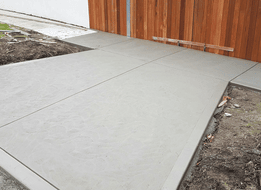


What ADA Ramp Compliance Means for Your Property
A Plain-Language Explanation of ADA Accessibility Requirements
If you own or manage a property in Lauderhill, understanding what ADA ramp compliance actually requires can save you a lot of headaches. The ADA Standards for Accessible Design set specific rules for how accessibility ramps must be built. These rules cover things like slope, width, landing dimensions, surface texture, and drainage. For example, a standard ramp cannot exceed a 1:12 maximum ramp slope, meaning for every inch of rise, the ramp must run at least 12 inches in length. Landings must allow enough space for a person using a wheelchair to stop and turn safely, and surfaces need to provide traction in wet conditions, which matters in South Florida where afternoon rain is a regular occurrence.
We use tools like a digital slope meter and laser level on every project to verify that slope requirements are met before the concrete ever cures. Florida Building Code Chapter 11 and the Florida Accessibility Code for Building Construction add another layer of requirements on top of the federal standards, so knowing both sets of rules is essential to getting the work done correctly.
Who Is Required to Comply and Who Benefits from Doing So
Most commercial properties, public buildings, and businesses open to the public are required to meet ADA standards. This includes retail stores, medical offices, restaurants, apartment complexes with common areas, and any facility that serves the public along corridors like Oakland Park Boulevard or State Road 7. The Broward County ADA Compliance Office and the Lauderhill Building Services Division both play a role in local enforcement, and non-compliance can lead to citations, fines, or legal complaints.
That said, the benefits of wheelchair accessibility go well beyond avoiding penalties. A properly built curb ramp or entrance ramp helps customers using wheelchairs, walkers, strollers, and canes move safely through your property. Seniors living in areas like Century Village and Inverrary, parents with young children, and anyone dealing with a temporary injury all benefit from barrier-free design. When your property is easier to access, more people can use it, and that reflects well on how your business or building is perceived in the community.
The Difference Between Federally Required Compliance and Voluntary Upgrades
Not every property is legally required to make every possible accessibility improvement at once. Federal rules under CFR Title 28 Part 36 and the Section 504 Rehabilitation Act set thresholds based on property type, size, and the nature of planned renovations. When you trigger a permit for a renovation or new construction, compliance is typically required for the affected areas. However, some property owners choose to go beyond the minimum requirements by embracing universal design principles, which aim to make a space usable for the widest range of people without needing specialized accommodations.
Whether you are making a required upgrade or a voluntary improvement, the concrete work involved is largely the same. We handle both types of projects and work through the Lauderhill Building Services Division and Broward County Permitting Licensing and Consumer Protection to manage permits and inspections on your behalf. Doing the work correctly the first time means fewer delays and no need to tear out and rebuild sections that fail inspection.
Once you have a clear picture of what compliance requires for your property, the next step is understanding what types of concrete ramps can meet those needs, whether you are starting from scratch or repairing something that already exists.
Types of Concrete Ramps We Build and Repair
Over the years working in Lauderhill, we have built and repaired just about every type of concrete accessibility ramp a property might need. Whether you are dealing with a crumbling curb ramp near Oakland Park Boulevard or planning a full ramp installation at a commercial property off State Road 7, we understand what the work actually involves on the ground. Below are the main types of ramps we handle.
Curb Ramps and Sidewalk Transitions
Curb cuts and sidewalk transitions are some of the most common requests we get across Lauderhill. These ramps connect sidewalks to roadways or parking areas and are a core part of wheelchair accessibility and pedestrian safety. We use broom-finished concrete with truncated dome detectable warning pads to meet surface requirements, and we grade each ramp carefully using a digital slope meter to stay within the 1:12 maximum ramp slope required under ADA guidelines. We also account for cross slope, keeping it at or below 5% so water drains properly and does not pool on the surface.
Entrance and Doorway Ramps
Entrance ramps are often the first thing a customer, visitor, or employee encounters when arriving at your property. We build these to handle the transition from a parking area or sidewalk to a building entrance in a way that meets ADA standards without looking out of place. Landings are poured to a 2% maximum slope with enough depth and length to allow safe maneuvering, especially for people using wheelchairs or walkers. In South Florida's heat and humidity, we use fiber-reinforced concrete and concrete curing compounds to help the surface hold up over time.
Parking Lot Ramps and Accessible Route Connections
Accessible route connections through parking lots require careful planning. We look at grade changes, drainage patterns, and how the ramp ties into the broader accessible path across your property. This matters especially in areas like the Lauderhill Mall corridor and commercial properties along Sunrise Boulevard, where parking lot layouts can be tight and the ground conditions vary. We reinforce our pours with galvanized steel rebar and use a 4000 PSI concrete mix for durability. The goal is a connected, usable route that supports disability access across the full site.
Retrofit Ramps Added to Existing Structures
Adding a ramp to an existing property is often more involved than building one from scratch. You are working around existing concrete, drainage systems, and structures that were not originally designed with barrier-free design in mind. We use epoxy bonding agent where new concrete meets old, and we cut clean joints with a concrete saw to reduce cracking over time. In Lauderhill, soil conditions like sandy loam and high water table substrate can affect how new concrete settles, so we compact the base thoroughly with a plate compactor before any pour begins. Getting the retrofit right the first time saves you from dealing with failed inspections or having to tear out and redo the work.
Each of these ramp types comes with its own set of technical requirements, and those requirements are tied to specific standards that govern how the work must be done. Understanding those standards is the next step in making sure your project is fully compliant.
A few years back, we got a call from a property manager over on Inverrary Boulevard here in Lauderhill. They needed us to install an ADA-compliant ramp at the entrance of their commercial building. Simple enough on paper, but when we showed up to assess the site, we ran into a real problem.
The existing sidewalk grade was way off. The slope running toward the building entrance was steeper than what ADA standards allow, which meant we could not just pour a ramp and call it done. Federal guidelines require a maximum slope of 1:12, meaning for every inch of rise, you need at least 12 inches of run. With the grade we were working with, a standard ramp would have put us out of compliance right from the start.
On top of that, Lauderhill gets heavy rain, and the drainage pattern around that entrance was pushing water directly toward the building. Any ramp we built had to handle that runoff without creating a hazard for people using it.
We spent two days regrading the surrounding concrete area before we ever formed up the ramp itself. We also added a channel drain along the edge of the ramp to redirect water away from the path of travel. Once the grading was right, we poured the ramp in sections to control cracking in the South Florida heat and finished the surface with a broom texture for traction.
When it was all said and done, the ramp passed inspection on the first review. With over 20 years of combined concrete experience and more than 10 years working right here in Lauderhill, we have learned that ADA work leaves no room for shortcuts. You have to get it right, because real people depend on it every single day.
ADA Ramp Standards We Follow
When we build ADA ramps in Lauderhill, we follow the ADA Standards for Accessible Design along with Florida Building Code Chapter 11 and Broward County Administrative Code. These are not suggestions. They are specific requirements that affect slope, width, surface finish, edge protection, handrails, landings, and detectable warnings. Every ramp we pour is measured and verified using a digital slope meter and laser level to confirm it meets code before we leave the site.
Slope and Grade Requirements
The most important dimension of any accessibility ramp is the slope. The standard maximum is a 1:12 ramp slope, meaning one inch of rise for every twelve inches of horizontal run. In some limited situations, a 1:10 slope is allowed for shorter rises, but this only applies under specific conditions. We also hold cross slopes to no more than 5%, which keeps water from pooling across the walking surface and prevents the ramp from pulling a wheelchair user sideways. We use a digital inclinometer on every section of the ramp to confirm these numbers before the concrete sets.
Width, Surface Texture, and Edge Protection
Under ADA guidelines, ramps must have a minimum clear width of 36 inches, though many projects we work on in Lauderhill require wider paths to meet practical traffic needs near commercial entrances. Surface texture matters just as much as width. We typically use broom-finished concrete to create a slip-resistant surface that holds up well under South Florida rain and heat. Edge protection is required to prevent wheels from slipping off the sides, and we build raised edges or use extended surface borders based on what the site and code call for. Where needed, we also apply an anti-skid additive to the finish for extra traction.
Handrail Requirements for Longer Ramps
Handrails are required on both sides of any ramp that rises more than six inches or has a horizontal run longer than 72 inches. The rails must be graspable, set at the correct height, and extend beyond the top and bottom of the ramp. We size, position, and anchor every handrail to meet ADA standards and pass Broward County inspection. For ramps near high-traffic areas like those along Oakland Park Boulevard or near Lauderhill City Hall, solid, well-anchored rails are especially important for daily use.
Landing and Transition Zone Specifications
Landings are required at the top and bottom of every ramp and at any point where the ramp changes direction. The landing slope cannot exceed 2%, and landings must be large enough to allow a full 60-inch turning radius for a wheelchair. For most ramps, this means a minimum landing depth of 72 inches. We pay close attention to how the ramp meets the surrounding pavement or sidewalk at the transition zone, because a poor transition creates a trip hazard and can fail inspection. Barrier-free design depends on smooth, level connections between surfaces, not just the ramp itself.
Detectable Warning Surfaces and Truncated Dome Requirements
At the base of curb ramps and at street-level transitions, detectable warning surfaces are required. These are the raised dome patterns you see at crosswalks and curb cuts. We install truncated dome detectable warning pads that meet the exact specifications required under ADA standards, including 0.9-inch center spacing, 0.2-inch dome height, and a minimum 24-inch warning strip depth. We source these from trusted manufacturers like ADA Solutions and Armor Tile, and we set them into the concrete during the pour for a permanent, code-compliant installation. For wheelchair accessibility near transit stops and public walkways, these surfaces are not optional.
Once we confirm the ramp layout meets all of these standards on paper, we move forward with planning the actual work. That process starts with a site visit and continues through permitting, grading, forming, pouring, and final inspection, which is what we cover next.

Our Process for ADA Ramp Projects in Lauderhill
Every ADA ramp project we take on in Lauderhill follows a clear, step-by-step process. Whether you need curb cuts along Oakland Park Boulevard, a ramp at a commercial property near Lauderhill Mall, or an accessible entrance at a facility close to Central Broward Regional Park, we approach each job the same way. We start from the ground up, work through the details carefully, and make sure everything meets the right standards before we call it done.
Site Assessment and Measuring Existing Conditions
Before we touch a shovel, we come out to your property and take a close look at what you are working with. We use a digital slope meter and laser level to measure your existing grades, transitions, and surface conditions. This matters more than most people realize. South Florida's soil, including the sandy loam and fill material common throughout Broward County, can shift over time. We also check for drainage patterns, because standing water on a ramp is both a safety hazard and a code problem. We measure your current clearances, note any obstructions, and document everything before we start planning.
Planning the Ramp Layout to Meet Code
Once we understand your site, we put together a layout that meets ADA standards from the start. That means accounting for the 1:12 maximum ramp slope, a 36-inch minimum clear width, and landings with no more than a 2% cross slope. We also plan for truncated dome detectable warning pads where the ramp meets a travel path, using materials like those from Armor Tile or ADA Solutions. We design with barrier-free design and universal design principles in mind, so the finished ramp works well for wheelchair users, people with walkers, parents with strollers, and anyone else using your property. Every layout we create is based on the Florida Accessibility Code for Building Construction and the ADA Standards for Accessible Design.
Permits and Local Approvals in Lauderhill
We handle the permitting process through the Lauderhill Building Services Division and coordinate with Broward County Permitting Licensing and Consumer Protection when needed. If your project touches public right-of-way along State Road 7 or Sunrise Boulevard, we also work with the Florida Department of Transportation District 4 Office. Pulling the right permits and scheduling inspections correctly saves you time and keeps the project moving without surprises. We know what local reviewers look for, and we submit plans that reflect that.
Pouring and Finishing the Concrete
For ramp installation, we use a 4000 PSI concrete mix with galvanized steel rebar reinforcement and PVC expansion joints to handle Lauderhill's heat cycles and occasional heavy rain. We compact the base thoroughly using a plate compactor and check subgrade conditions before any concrete is placed. A concrete vibrator helps us eliminate voids during the pour, and we finish the surface with a broom finish to meet wheelchair accessibility and slip-resistance requirements. After the pour, we apply a concrete curing compound to protect the surface while it sets, keeping moisture in during the critical early hours. South Florida's heat can dry concrete too fast, and we account for that on every job.
Final Inspection and Documentation
After the concrete cures, we go back through the ramp with a digital inclinometer and verify that every measurement still holds. Slope requirements, landing dimensions, edge lips, and detectable warning placements all get checked against the applicable standards, including Florida Building Code Chapter 11 and PROWAG where relevant. We schedule the final inspection with the Lauderhill Building Services Division and stay on-site to answer any questions the inspector has. Once the project passes, we give you documentation of what was built and how it was built, which is useful if you ever need to show compliance to the Broward County ADA Compliance Office or respond to an accessibility concern.
This process applies to projects of all sizes, from a single curb cut at a small business to a full accessible route upgrade at a larger facility. The type of property and the people using it may change from job to job, but the steps we follow stay the same.
Who We Do This Work For
We work with a range of property owners, managers, and organizations across Lauderhill who need ADA ramps built or brought up to current standards. Whether you are starting from scratch or fixing what is already there, we understand the concrete work involved and what it takes to meet ADA standards in South Florida.
Commercial Property Owners and Businesses
If you own or operate a commercial property along Oakland Park Boulevard, State Road 7, or Sunrise Boulevard, chances are you have foot traffic from a wide range of people. Customers using wheelchairs, walkers, or other mobility devices need a clear, safe path from the parking area or sidewalk to your entrance. We build and retrofit accessibility ramps that meet the slope requirements and surface standards called for under the ADA Standards for Accessible Design and Florida Building Code Chapter 11. That includes getting the 1:12 maximum ramp slope right, setting proper landings, and installing truncated dome detectable warning pads where they are required. We handle permitting through the Lauderhill Building Services Division and work to keep your project moving without unnecessary delays.
Residential Property Owners Making Accessibility Improvements
You do not have to be a business to need this kind of work. Homeowners in areas like Century Village, Inverrary, and Lauderhill Lakes often reach out to us when a family member needs better access to the home. We pour concrete ramps and curb cuts that improve wheelchair accessibility and make everyday movement safer for seniors, people with temporary injuries, and anyone using a stroller or mobility device. We use broom-finished concrete and fiber-reinforced concrete mixes to hold up against South Florida heat, heavy rain, and the kind of soil conditions common to Broward County.
Property Managers Handling Multi-Unit Buildings
Managing a multi-unit property means keeping up with both the needs of residents and the demands of compliance regulations. We work with property managers throughout Lauderhill who need ramp installation across multiple access points, parking lots, and common areas. Getting the barrier-free design right across a larger site takes planning. We use a laser level and digital slope meter to verify grades before and after the pour, so the finished work holds up to inspection. We are familiar with Broward County Administrative Code requirements and can coordinate directly with the Broward County Permitting Licensing and Consumer Protection office on your behalf.
Government and Municipal Projects in Lauderhill
We have worked on public-facing concrete projects near places like the Lauderhill Performing Arts Center, Central Broward Regional Park, and along pedestrian routes connected to the Broward County Central Bus Terminal. Public building accessibility and disability access along municipal sidewalks and curb ramps are guided by standards including PROWAG and FDOT Design Standards, and we understand how those requirements apply to work done in this area. Curb cuts, accessible routes, and commercial property compliance on public land require a level of precision that we take seriously. We carry a Broward County Contractor License and have worked alongside local government offices on projects that require both technical accuracy and reliable scheduling.
No matter who you are or what your property looks like, getting this work done correctly matters more than most people expect. The consequences of getting it wrong go beyond a failed inspection, and that is worth understanding before you move forward.
About Our Concrete Team in Lauderhill
We are a concrete contractor based in Lauderhill, FL, and we have been working in this area for over 10 years. Our team brings more than 20 years of combined experience pouring and finishing concrete across a wide range of residential and commercial projects. From driveways and patios to foundations and retaining walls, we have handled jobs of all sizes throughout Lauderhill and the surrounding communities in Broward County.
Working in South Florida means understanding conditions that most other parts of the country do not have to deal with. The heat, humidity, heavy seasonal rain, and shifting soils here can all affect how concrete performs over time. We have spent years learning how these local conditions impact curing, drainage, and long-term durability. That knowledge guides every decision we make on a job, from how we prepare the site to how we select the right concrete mix for the conditions.
We work on projects in Lauderhill neighborhoods ranging from smaller residential properties near the Inverrary area to commercial sites along State Road 7 and Oakland Park Boulevard. Whether you need a new concrete slab, a resurfaced pool deck, or a repaired driveway, we approach each job the same way: with careful prep work, proper reinforcement, and a finish that holds up to the Florida climate.
Our goal on every project is straightforward. We want the concrete we pour for you to last for decades without becoming a recurring problem. That means doing the job right from the start, using the correct materials, and not cutting corners on steps that matter. When you reach out to us, you get a team that knows Lauderhill, knows concrete, and knows what it takes to make both work together.
Why Noncompliance Is a Real Risk
If your property in Lauderhill does not have proper accessibility ramps or meets outdated standards, the risk is not just theoretical. Property owners across Broward County have faced real consequences for failing to meet current ADA standards, and those consequences tend to get more expensive the longer they are ignored.
Complaints, Citations, and Fines Related to ADA Violations
When a visitor, customer, or employee encounters a ramp that does not meet ADA guidelines, they have the right to file a complaint. Those complaints can go to the Broward County ADA Compliance Office, the U.S. Department of Justice, or other enforcement agencies. Once a complaint is filed, your property may be inspected against the ADA Standards for Accessible Design and Florida Accessibility Code for Building Construction. If your ramp slope does not meet the 1:12 maximum ramp slope, if your landing dimensions are off, or if you are missing truncated dome detectable warning pads at curb cuts, those are citable violations. Fines and required corrections can follow quickly.
Legal Exposure for Property Owners
Beyond citations, noncompliance opens the door to civil litigation. Under CFR Title 28 Part 36 and the Section 504 Rehabilitation Act, businesses and property owners have a legal obligation to provide wheelchair accessibility and barrier-free access. A single lawsuit related to disability access can cost far more than a properly built ramp would have. Commercial properties along Oakland Park Boulevard, Sunrise Boulevard, and State Road 7 are especially visible to inspectors and the public, which increases that exposure.
How Upgrading Now Reduces Long-Term Risk
We have worked on properties throughout Lauderhill for over 10 years, and one pattern we see often is that waiting makes things harder. A ramp that needs minor corrections today may require a full tear-out and replacement later if the underlying grade or drainage is wrong. We use a digital slope meter and laser level on every project to verify that slope requirements are met before concrete is poured. Getting the work done now, permitted through the Lauderhill Building Services Division, and built to current standards under Florida Building Code Chapter 11 gives you a clear record of compliance and removes the uncertainty hanging over your property.
Staying compliant also tends to make the property work better in ways that go beyond legal protection, which is worth looking at more closely.
The Practical Benefits Beyond Compliance
A well-built ADA ramp does more than help your property meet ADA guidelines. It changes how people actually experience your space. When we build accessibility ramps for properties in Lauderhill, the benefits show up in ways that go beyond a checklist.
Safer Access for Everyone Using the Property
Steep curbs, broken transitions, and uneven pavement create real hazards. A properly built ramp with the correct 1:12 maximum ramp slope, a broom-finished concrete surface, and truncated dome detectable warning pads gives everyone a safer path to your door. This includes people in wheelchairs, visitors using walkers or canes, and anyone who simply needs a stable surface to walk on. In South Florida's frequent rain, proper slope and drainage design also means water moves away from the surface instead of pooling and creating a slip risk.
Better Usability for Seniors, Stroller Users, and People With Temporary Injuries
The Lauderhill area has a large senior population, particularly in communities like Century Village and Inverrary. Smooth, accessible entrances matter to a wide range of people, not just those with permanent disabilities. Parents pushing strollers, delivery workers with hand trucks, and people recovering from surgery all benefit from barrier-free design. When you invest in wheelchair accessibility improvements, you are really improving access for a much broader group of people who use your property every day.
Improved Traffic Flow at Entrances and Transitions
Poorly placed or narrow entrances create bottlenecks. A ramp designed with a 60-inch turning radius and proper landing depth gives enough space for people to move through without crowding. Curb cuts built into the right locations along a parking area or sidewalk can also reduce confusion about where to enter and exit. When the path through your property is clear and easy to follow, things just move better for everyone.
Added Property Value and Improved Public Perception
A clean, well-built concrete ramp that fits naturally into your property's design signals that you take your space seriously. Properties near high-traffic areas like Oakland Park Boulevard or Sunrise Boulevard that have visible, professional accessibility features tend to come across as more organized and better maintained. Beyond appearances, making your property more functional adds real long-term value. It also reduces the risk of complaints or citations from the Broward County ADA Compliance Office, which is a practical concern for any commercial property owner in Lauderhill.
These are the kinds of results that stay with a property long after the concrete cures. They are also the reason that getting the work done right the first time, by people who understand both the technical requirements and the local conditions, makes a real difference. That brings us to what we bring to ADA ramp projects in Lauderhill specifically.
Why Work With Us for ADA Ramp Projects in Lauderhill
When a property needs ADA ramps built or updated, the work has to be done right. Ramps that do not meet ADA standards can create legal exposure, safety hazards, and the expense of tearing out and redoing the work. We have over 20 years of combined experience pouring concrete, and more than 10 years working specifically in Lauderhill. That combination of hands-on skill and local knowledge makes a real difference on compliance projects.
Our Experience With ADA-Compliant Concrete Work
We understand what it takes to build accessibility ramps that hold up and pass inspection. That means working to the 1:12 maximum ramp slope, keeping landings at a 2% maximum slope, meeting the 36-inch minimum clear width, and installing truncated dome detectable warning pads at the correct spacing and height. We use 4000 PSI concrete mix reinforced with galvanized steel rebar, which gives ramps the structural integrity they need in South Florida conditions. We also apply a broom finish to improve traction in wet weather, and we seal the surface to slow wear over time.
Proper drainage is part of every ramp we build. South Florida gets heavy rain, and a ramp that pools water becomes a slip hazard. We grade and form each pour with drainage in mind so water moves away from the walking surface without creating runoff problems. We also follow Florida Building Code Chapter 11 and the ADA Standards for Accessible Design to make sure the finished work lines up with what inspectors from the Lauderhill Building Services Division will expect.
What Working Locally in Lauderhill for Over 10 Years Has Taught Us
Lauderhill has its own set of considerations that affect concrete work. The soil in much of Broward County includes sandy loam and South Florida fill material that can shift under a slab if the base is not properly compacted. We use a plate compactor and compaction tester before any pour to make sure the subgrade is stable. The high water table in this area also affects how we time and cure concrete, especially during the rainy season.
We have worked on ramp installation projects near Oakland Park Boulevard, along State Road 7, and at commercial properties throughout the Lauderhill Mall area and the Oakland Park Boulevard Corridor. That experience means we are familiar with local permit timelines, what the Broward County Permitting Licensing and Consumer Protection office typically requires, and how to coordinate inspections without unnecessary delays. We handle the permitting process for our clients so you do not have to sort through that on your own.
How We Approach Accuracy and Quality on Compliance Projects
On every project, we use a laser level and digital slope meter to verify slope at multiple points during the pour. Guessing at grade on a compliance project is not an option. Slope requirements for curb cuts and wheelchair accessibility ramps are specific, and even a small error can result in a failed inspection. We check our work as we go rather than waiting until the concrete has set.
We also take barrier-free design seriously beyond just the ramp itself. That includes the approach, the landing, the transition to the walking surface, and any edge protection needed. Every part of an accessible route has to work together. We look at the full picture on each site before we start forming or pouring anything.
Whether you are updating a property for commercial property compliance, adding curb cuts to a parking area, or building an entrance ramp at a public building, we bring the same level of care to each job. Our goal is to hand over a finished ramp that is safe, code-compliant, and built to last through the heat and humidity that Lauderhill sees year after year. That is what we think a good concrete contractor should deliver, and it is the standard we hold ourselves to on every project.
Get Started With ADA Ramp Work in Lauderhill
When you need ADA ramps built or repaired on your property, you want a team that knows what they are doing from the first day on the job. We have spent over 20 years working with concrete and more than 10 of those years serving property owners right here in Lauderhill. From properties near Lauderhill City Hall to businesses along Oakland Park Boulevard and State Road 7, we understand what it takes to get the job done correctly and get it past inspection the first time.
Here is a quick look at what you get when you work with us:
- Concrete ramps built to meet ADA Standards for Accessible Design and Florida Building Code Chapter 11
- Proper slope requirements followed, including the 1:12 maximum ramp slope and 2% maximum landing slope
- Truncated dome detectable warning pads installed at the correct depth and spacing
- Broom-finished concrete surfaces with anti-skid additives to keep footing safe in South Florida rain
- Fiber-reinforced concrete mixes rated at 4000 PSI or better, suited to Broward County soil conditions
- Curb cuts, landings, and accessible routes designed with the right width and turning clearance
- Permit handling through the Lauderhill Building Services Division so you are not left guessing
- Work that supports disability access for customers, employees, seniors, and anyone using a mobility device
- Honest assessment of your site before we pour a single yard of concrete
- No shortcuts on materials, grading, reinforcement, or drainage
Bringing your property into compliance with wheelchair accessibility and commercial property compliance standards does not have to be a stressful process. We handle the details so you can focus on running your property. Whether you need a new ramp at a business entrance, a curb cut on a parking lot, or a full retrofit to meet current ADA guidelines, we are ready to take a look and give you a straight answer about what needs to happen.
Fill out the form below or give us a call to get your free quote. We will review your site, walk you through what is needed, and give you a clear picture of cost and timeline before any work begins.
Lauderhill FL Concrete
7200 West Commercial Blvd
Lauderhill, FL 33319
Business Hours
| Mon | 7:00 AM – 10:00 PM |
| Tue | 7:00 AM – 10:00 PM |
| Wed | 7:00 AM – 10:00 PM |
| Thu | 7:00 AM – 10:00 PM |
| Fri | 7:00 AM – 10:00 PM |
| Sat | 7:00 AM – 10:00 PM |
| Sun | 7:00 AM – 10:00 PM |