Basement Floors & Walls in Lauderhill
Basement Floors & Walls Solutions for Lauderhill Residents
Do We Serve Lauderhill, FL for Basement Concrete Work?
Yes, we provide basement concrete services throughout Lauderhill, FL and the surrounding Broward County communities. Whether you are near Inverrary, off Oakland Park Boulevard, or closer to the Lauderhill Mall area, we can reach you quickly. With over 10 years working specifically in Lauderhill and more than 20 years of combined concrete experience, our team is available for basement floor and wall projects of all sizes.
Common Problems Lauderhill Homeowners Face with Basement Floors and Walls
If you are dealing with cracked concrete, damp walls, or uneven basement surfaces, you are not alone. Many homeowners in this area run into moisture pushing through basement walls, floors that have shifted or settled, and surfaces that have become rough or unsafe over time. These are not just cosmetic issues. Left alone, they can affect the structure of your home and lead to mold growth, higher repair costs, and a loss of usable space. Whether you need basement wall repair techniques to address cracking or want to explore basement flooring options that hold up against moisture, getting the right concrete work done early makes a real difference.
What We Know About Lauderhill and How It Affects Basement Concrete
Lauderhill sits on ground that is heavily influenced by the Biscayne Aquifer and a naturally high water table. The area has flatwoods-type soil mixed with sandy loam and organic layers that shift with rainfall and dry spells. This means that below-grade concrete in Lauderhill faces constant pressure from subsurface hydrostatic pressure and capillary rise, where water moves upward through concrete pores from the ground below. We have seen this pattern repeatedly in neighborhoods like Inverrary Country Club, Boulevard Heights, and along corridors near Sunrise Boulevard and University Drive. When we pour or repair concrete basement floors here, we account for these conditions from the start, using materials like vapor barrier polyethylene sheeting, fiber-reinforced concrete, and proper grading to manage moisture before it becomes a problem. If you are trying to figure out the best basement floor choices for a Lauderhill home, local soil and drainage knowledge matters just as much as the concrete mix itself. We also stay current with the Florida Building Code to make sure every job meets what the Lauderhill Building and Permitting Division requires.
Frequently Asked Questions from Lauderhill Homeowners About Basement Floors and Walls
Can you handle both basement flooring installation and wall repairs in one project? Yes, we regularly combine floor and wall work into a single project to save you time and avoid disruption. Do I need permits for basement concrete work in Lauderhill? Depending on the scope, permits through the Lauderhill Building and Permitting Division may be required. We can walk you through that process. What causes my basement walls to feel damp even when it has not rained? This is usually capillary rise or hydrostatic pressure from Lauderhill's high water table pushing moisture through the concrete. What are my options for basement moisture control solutions? We use a range of approaches, from crystalline waterproofing membranes and HDPE drain board to waterproof basement walls treatments, depending on the severity of the issue. Is epoxy flooring for basements a good fit for South Florida homes? It can be, especially when the surface is properly prepped and the moisture emission level is within the 0.3 lb/sf/24hr limit before application. Understanding all of this is exactly what the next section covers in more detail.
Understanding Basement Floors and Walls in Lauderhill, FL
What Basement Concrete Floors and Walls Are
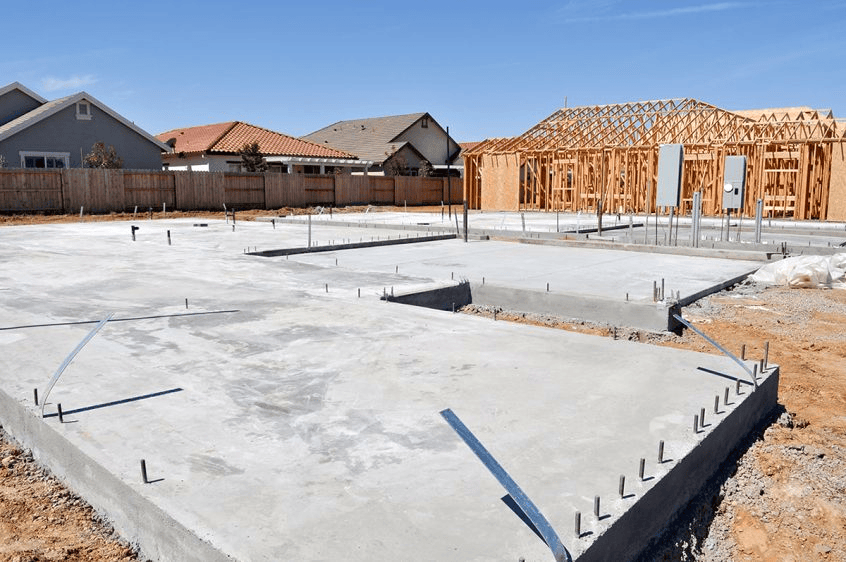
Basement floors and walls are the concrete surfaces that sit at or below ground level in your home. The floor is typically a concrete basement floor slab poured directly on a prepared base, while the walls hold back surrounding soil and carry the weight of the structure above. Together, they form the foundation of your living space below grade. Whether you are exploring basement flooring options or dealing with wall damage, understanding what these surfaces are made of and how they work is a good starting point.
How Basement Concrete Differs from Above-Grade Concrete Work
Concrete poured below ground faces conditions that surface concrete does not. Above-grade slabs deal mainly with weather and foot traffic. Below-grade concrete has to handle soil pressure, groundwater, and limited airflow. For basement flooring installation, we typically use a 4,000 PSI concrete mix reinforced with #4 rebar at 12 inches on center and a 6-mil poly vapor barrier underneath. These steps matter because moisture coming up through the slab is one of the most common issues we see in residential basements across Lauderhill.
Why Below-Grade Concrete Requires Special Attention in South Florida
Lauderhill sits in an area with a high water table, and the ground beneath many neighborhoods like Inverrary and areas along Oakland Park Boulevard is influenced by the Biscayne Aquifer. That means basement moisture control solutions are not optional here. Subsurface hydrostatic pressure can push water through walls and floors if the concrete is not properly sealed and reinforced. We have spent over 10 years working in this area and have seen firsthand how South Florida soil conditions affect below-grade concrete differently than other parts of the country. Materials like crystalline waterproofing membrane and vapor barrier polyethylene sheeting play a real role in keeping your basement dry and structurally sound. These are factors that come into play whether you are thinking about moisture proof basement walls or planning full basement finishing options for added living space. Understanding these conditions is also the key to recognizing why problems develop in the first place, which is exactly what we will cover next.
Common Basement Concrete Problems We See in Lauderhill
After more than 10 years working on concrete basement floors and walls in Lauderhill, we've seen the same problems come up again and again. The soil conditions here, including the high water table and the underlying karst limestone and Miami Limestone formation beneath Broward County, put a lot of stress on below-grade concrete. Understanding what's going wrong is the first step toward fixing it the right way.
Cracks in Basement Floors and What Causes Them
Cracks in concrete basement floors are one of the most common issues we run into across neighborhoods like Inverrary and Boulevard Heights. Some cracks are surface-level and cosmetic, but others go deeper and signal real structural movement. In Lauderhill, the peat and organic soil layers beneath many homes can compress or shift over time, causing slabs to settle unevenly. Shrinkage during the curing process is another cause, especially when concrete wasn't mixed or poured to the right specs. A 3,000 PSI or 4,000 PSI concrete mix with proper reinforcement, like #4 rebar at 12 inches on center, goes a long way toward preventing this. Without it, floors are much more likely to crack early and worsen over time.
Cracking and Bowing in Basement Walls
Basement walls in this area carry a lot of pressure. Subsurface hydrostatic pressure from the Biscayne Aquifer and surrounding soil pushes inward against walls, especially after heavy rain. We've seen walls in homes near the Prospect Canal and North Fork Middle River that have developed horizontal cracks or started to bow inward. These aren't just cosmetic issues. A bowing wall that isn't addressed can lead to serious structural failure. Reliable basement wall repair techniques like epoxy injection resin, polyurethane injection foam, or crack injection ports can stabilize walls before the damage gets worse.
Water Intrusion and Moisture Damage
Lauderhill sits in a low-lying area of Broward County with a historically high water table. That means basement moisture control solutions aren't optional here, they're necessary. Water finds its way in through wall joints, floor cracks, and porous concrete. When it does, you're looking at more than just a wet floor. Over time, moisture leads to mold, mildew, deteriorating finishes, and damage to anything stored in the space. Products like crystalline waterproofing membranes, DRYLOK, or BASF MasterSeal systems, combined with proper drainage using an HDPE drain board or dimple mat, are part of how we address this problem at the source. Building moisture proof basement walls is a key part of any long-term repair plan.
Uneven or Sunken Basement Floors
Uneven floors are another problem we see often in Lauderhill homes, particularly in older subdivisions like Lauderhill Estates and Royal Poinciana. When the soil beneath a slab shifts or settles, the concrete above it can sink or tilt. This creates trip hazards and makes basement flooring installation difficult, since no flooring material sits well on an uneven base. We use tools like a laser level and a moisture meter to assess the full scope of the problem before recommending a fix. In many cases, self-leveling underlayment brings the floor back to a workable surface. For more serious settling, additional steps involving the subbase may be needed.
Efflorescence and Surface Deterioration
If you've noticed a white, chalky residue on your basement walls or floor, that's efflorescence. It happens when water moves through concrete and carries dissolved salts to the surface. While it isn't a structural problem on its own, it's a sign that moisture is moving through your concrete regularly. Left alone, it can lead to surface pitting, spalling, and deterioration of the concrete itself. Treatments like a sodium silicate concrete densifier or a penetrating silane sealer can help slow this process after the moisture source is properly addressed.
These problems are connected in more ways than one. A crack lets in water, water weakens the slab, and a weakened slab settles unevenly. That's why we look at the full picture before recommending any single fix. When you understand the root cause, the solution tends to last a lot longer. That approach carries directly into the basement floor services we provide.
A few years back, we got a call from a homeowner in Lauderhill who wanted us to pour a basement floor and reinforce the walls in their older home. Sounded straightforward enough, but once we got on site, we ran into something we did not expect.
After digging down to prep the subgrade, we found that the soil was holding a lot of moisture. That is pretty common here in South Florida, but this spot was worse than most. The water table was sitting higher than usual, and the ground beneath where the floor was going to go was soft and unstable in places. If we had poured concrete on top of that without fixing it first, the floor would have cracked and settled within a year or two.
We stopped, talked it through with the homeowner, and came up with a plan. We brought in extra fill material to build up and stabilize the base. We also installed a proper vapor barrier system and made sure drainage was addressed before a single truck of concrete showed up. For the walls, we added more rebar than originally planned to handle the lateral pressure from the saturated soil pressing against them.
It took us a few extra days and required some honest conversations with the client about cost and timeline, but we got it done right. That basement floor has been solid ever since, with no cracking or shifting. Working in Lauderhill for over 10 years has taught us that you have to respect what the ground down here can throw at you, and our more than 20 years of combined concrete experience helped us handle it without cutting corners.
Basement Floor Services We Provide
With over 20 years of combined experience pouring concrete and more than 10 years working right here in Lauderhill, we understand what it takes to get basement floors done right in South Florida. The ground conditions here, including the high water table and the soil found throughout Broward County, make basement concrete work more involved than in many other parts of the country. Every job we take on starts with a thorough look at what the space needs before we mix a single batch of concrete.
Pouring New Basement Concrete Floors
When you need a new concrete basement floor poured, we follow the Florida Building Code and use a 4,000 PSI concrete mix reinforced with rebar (Grade 60) or welded wire mesh to give your floor the strength it needs. We also install a 6-mil poly vapor barrier beneath the slab and set a proper 6-inch gravel base to manage moisture coming up from below. Lauderhill's proximity to the Biscayne Aquifer and areas of karst limestone means subsurface hydrostatic pressure is a real concern, so we take these steps seriously on every pour.
Repairing Cracked or Damaged Basement Floors
Cracks in a basement floor are common in this area, especially in older homes near Inverrary or along the Oakland Park Boulevard Corridor where soil shifting and drainage issues have built up over time. We use crack injection ports and epoxy injection resin to fill structural cracks, and we apply polyurethane hydrophilic grout where moisture intrusion is present. For surface cracks, an epoxy bonding agent helps create a solid repair that holds up over time without reopening.
Leveling and Resurfacing Uneven Basement Floors
An uneven floor is more than just an inconvenience. It can signal settling, poor drainage, or a weak original pour. We use a laser level and a shot blaster to prep the surface, then apply self-leveling underlayment to bring the floor back to a flat, even plane. We also check moisture emission rates before any resurfacing work begins, because a reading above the 0.3 lb/sf/24hr limit can compromise the bond of any finish material you put down.
Finishing Options for Basement Floors
Once the structural work is solid, you have several basement flooring options worth considering. Epoxy flooring for basements is a popular choice because it bonds directly to concrete, resists moisture, and holds up well in Florida's humid climate. We also work with vinyl flooring for basements as part of our broader basement finishing options, which pairs well with a properly sealed slab. If you have a crawl space area, we can discuss crawl space flooring solutions that suit your specific situation. Whatever direction you choose, we use materials and methods that line up with your budget and how you plan to use the space.
Waterproofing Coatings and Sealers for Basement Floors
Keeping moisture out of your basement floor starts with the right products and the right process. We use acrylic concrete sealer and penetrating silane sealer depending on the surface condition and level of exposure. For floors with known moisture issues, we may apply a crystalline waterproofing membrane or use a moisture vapor emission reducer before any finish goes down. Brands like Xypex, DRYLOK, and BASF MasterSeal give us reliable options that are proven to perform in South Florida conditions. Proper basement moisture control solutions at the floor level also make a significant difference in keeping mold and mildew from taking hold over time.
Getting the floor right is only part of the picture. The walls that surround your basement play an equally important role in the overall durability and dryness of the space, which is why we treat both as part of a complete approach to below-grade concrete work.
Basement Wall Services We Provide
Your basement walls do more than divide space. They carry load, hold back soil, and keep moisture out. When something goes wrong with them, the effects can spread quickly through the rest of your home. We have been working on basement walls in Lauderhill for over 10 years, and we understand how the local soil conditions, the high water table, and South Florida's rainfall patterns put extra pressure on below-grade concrete.
Pouring and Forming Concrete Basement Walls
When we pour new basement walls, we follow ACI 332 guidelines for residential concrete construction. We typically use a 4,000 PSI concrete mix with #4 rebar at 12 inches on center to give the walls the strength they need to hold up against soil pressure and shifting over time. Proper forming and placement matter just as much as the mix itself, so we take care with every pour from setup to finish.
Repairing Cracks in Basement Walls
Cracks in basement walls are common in Lauderhill, especially in older homes near areas like Inverrary or along the Oakland Park Boulevard Corridor where soil movement is a known issue. We use epoxy injection resin and crack injection ports to fill structural cracks, and polyurethane hydrophilic grout for cracks that are letting in water. We also use a concrete core drill and rotary hammer drill as needed to reach deeper problem areas before sealing them off properly.
Waterproofing Basement Walls from the Inside
Interior waterproof basement walls start with the right materials applied correctly. We work with products like Xypex crystalline waterproofing membrane and BASF MasterSeal coatings depending on what the wall needs. We also apply penetrating silane sealer and sodium silicate concrete densifier where appropriate to reduce moisture vapor transmission. Our goal is to keep your basement dry without cutting corners on prep work or product selection.
Addressing Bowing or Shifting Basement Walls
Bowing walls are a sign that lateral soil pressure is building up faster than the wall can handle it. This is something we take seriously because it affects the structural safety of your home. We assess the degree of movement using a laser level and look at what is driving the shift before recommending a fix. Depending on the situation, solutions may include fiber-reinforced concrete overlays, Simpson Strong-Tie anchoring systems, or shotcrete reinforcement for walls that need more substantial support.
Surface Finishing and Parging for Basement Walls
Once structural and moisture issues are addressed, we can apply parging or other surface finishes to give your basement walls a cleaner, more finished look. We use non-shrink grout and Portland cement-based mixes to create smooth, even surfaces that hold up well over time. Whether you are planning to paint, panel, or leave the walls exposed, a properly finished surface makes the space easier to maintain and more pleasant to use.
Getting your basement walls right is only part of the picture. The other major concern for Lauderhill homeowners is keeping water out for the long term, which is where dedicated waterproofing and moisture control work comes in.
Waterproofing and Moisture Control for Lauderhill Basements
Why Moisture Is a Serious Concern in Lauderhill and Broward County
Lauderhill sits in an area with a naturally high water table, and the underlying geology here includes the Biscayne Aquifer and Miami Limestone formation. That combination means water is never far below the surface. When you add South Florida's heavy seasonal rainfall and the flatwoods-style drainage patterns common across Broward County, below-grade concrete is under constant pressure from moisture. We have worked in this area for over 10 years, and we see the effects of subsurface hydrostatic pressure on basement walls and floors regularly. Ignoring it leads to cracks, seepage, and long-term structural damage.
Interior Waterproofing Methods We Use
For moisture proof basement walls and floors, we rely on proven materials and techniques that meet Florida Building Code standards. Depending on your situation, we may apply a crystalline waterproofing membrane, use polyurethane injection foam to seal active cracks, or install a dimple mat system against the interior wall surface to manage water movement. For floors, a 10-mil vapor barrier placed under a 4,000 PSI concrete slab gives you a solid foundation against moisture vapor emission. We also use products from trusted brands like Xypex and BASF MasterSeal, and we follow ASTM D4263 guidelines when testing for moisture before any basement flooring installation begins.
How Proper Drainage Ties Into Basement Concrete Work
Waterproofing alone is not enough without a plan to move water away from your foundation. We often install interior French drain systems combined with a submersible sump pump to redirect groundwater before it builds pressure against your walls. A 6-inch gravel base beneath the slab, paired with an HDPE drain board along the perimeter, helps channel water toward the drainage system rather than letting it push through your concrete. This approach also supports better basement moisture control solutions over time, especially in neighborhoods near the Prospect Canal or North Fork Middle River where groundwater levels can rise quickly after heavy rain.
How Waterproofing Helps Prevent Mold and Mildew
When moisture gets into a basement, mold and mildew follow. Broward County's warm, humid climate makes this especially true. Keeping your basement dry is one of the most practical ways to protect your family's health and your home's structure. A properly sealed and drained basement stays drier, which limits the conditions mold needs to grow. We also recommend pairing waterproofing work with a desiccant dehumidifier and an acrylic concrete sealer on exposed surfaces to keep moisture vapor emission below the 0.3 lb/sf/24hr threshold. These steps work together to give you a cleaner, safer space.
Once moisture control is in place, the next thing we look at is the structural integrity of your basement itself. Sound waterproofing only does its job fully when the concrete and foundation underneath it are solid and stable.
Concrete Contractors You Can Count On in Lauderhill
We are a concrete contractor based in Lauderhill, FL, and we have been working in this area for over 10 years. Our team brings more than 20 years of combined experience pouring and finishing concrete across a wide range of residential and commercial projects. From driveways and patios to foundations and retaining walls, we have handled jobs of all sizes throughout Lauderhill and the surrounding communities in Broward County.
Working in South Florida means understanding conditions that most other parts of the country do not have to deal with. The heat, humidity, heavy seasonal rain, and shifting soils here can all affect how concrete performs over time. We have spent years learning how these local conditions impact curing, drainage, and long-term durability. That knowledge guides every decision we make on a job, from how we prepare the site to how we select the right concrete mix for the conditions.
We work on projects in Lauderhill neighborhoods ranging from smaller residential properties near the Inverrary area to commercial sites along State Road 7 and Oakland Park Boulevard. Whether you need a new concrete slab, a resurfaced pool deck, or a repaired driveway, we approach each job the same way: with careful prep work, proper reinforcement, and a finish that holds up to the Florida climate.
Our goal on every project is straightforward. We want the concrete we pour for you to last for decades without becoming a recurring problem. That means doing the job right from the start, using the correct materials, and not cutting corners on steps that matter. When you reach out to us, you get a team that knows Lauderhill, knows concrete, and knows what it takes to make both work together.
Structural and Foundation Considerations
How Basement Floors and Walls Tie Into Your Home's Foundation
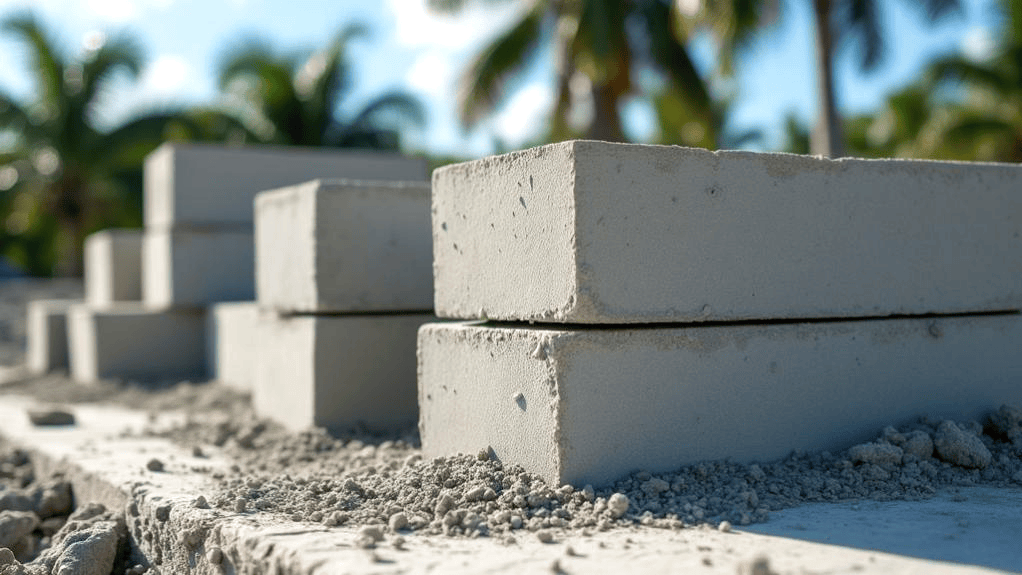
Your basement floors and walls are not separate from your foundation. They work together as one system. In Lauderhill, the soil conditions, including areas with peat and organic soil layers and proximity to a high water table near the Biscayne Aquifer, put real pressure on below-grade concrete. Concrete basement floors act as a structural slab that resists upward soil and moisture pressure from below. Basement walls, whether poured concrete or concrete block (CMU), carry the load of the structure above while holding back the surrounding earth. When either one fails, the other is usually affected too.
Signs of Structural Issues to Watch for in Your Basement
Some problems are easy to spot. Others take a trained eye. Watch for horizontal or stair-step cracks along basement walls, which can signal lateral soil pressure. Uneven or heaving basement flooring may point to soil movement or subsurface hydrostatic pressure pushing up from below. Water stains, efflorescence, or white mineral deposits on walls are signs that moisture is working through the concrete. Gaps between the floor and wall, bowing walls, or visible settlement near the base of the foundation are all worth taking seriously. In areas like Inverrary or along the Oakland Park Boulevard corridor, older homes can show these signs due to years of soil shifting and drainage stress.
When to Call a Concrete Contractor Versus a Structural Engineer
Not every crack or wet spot requires a structural engineer. Hairline surface cracks, minor spalling, and isolated moisture issues are typically within the scope of a concrete contractor. We handle basement wall repair techniques like polyurethane injection foam and crack injection ports for these kinds of problems. However, if you notice bowing walls, wide diagonal cracks, or visible foundation movement, a licensed structural engineer should evaluate the situation before any concrete work begins. We work alongside engineers when needed and will tell you clearly which direction makes more sense for your specific situation.
How We Assess Structural Concerns Before Starting Work
Before we pour, repair, or finish anything, we take time to understand what is happening beneath the surface. We use tools like a moisture meter (Tramex) to check moisture vapor levels, a laser level to identify floor slope irregularities, and visual inspection to map crack patterns. We look at the full picture, including drainage, the condition of existing concrete, and whether the current mix meets a minimum 3,000 PSI or 4,000 PSI concrete mix standard for below-grade use. Our team holds certifications including our Florida DBPR License and follows guidelines under the Florida Building Code and ACI 332. With over 10 years of experience working specifically in Lauderhill, we understand the local conditions that affect basement concrete differently than in other parts of the country. Getting this assessment right from the start is what sets quality work apart from repairs that fail within a few years.
Once we have a clear picture of the structural conditions, the right materials and methods can be chosen to do the job properly. That preparation is also what makes professional basement concrete work worth the investment in the first place.
Benefits of Professional Basement Concrete Work
When it comes to basement floors and walls in Lauderhill, getting the work done right the first time matters more than most homeowners realize. The soil conditions here, including the high water table tied to the Biscayne Aquifer and the sandy loam common across Broward County, put real demands on below-grade concrete. We have over 20 years of combined experience pouring and finishing concrete, with more than 10 years working specifically in Lauderhill. That local knowledge shapes how we approach every job.
Improved Structural Stability for Your Home
Concrete basement floors and walls carry a lot of responsibility. When they are poured and reinforced correctly, using materials like fiber-reinforced concrete and rebar at the right spacing, your home sits on a much more dependable foundation. Skipping steps during installation can lead to shifting, cracking, and uneven surfaces over time, problems that get more expensive the longer they go unaddressed.
Better Protection Against Leaks and Water Damage
Lauderhill sits in an area where subsurface hydrostatic pressure is a real concern. Moisture proof basement walls are not just a nice feature here, they are a practical necessity. We use products like crystalline waterproofing membranes and apply them in line with ASTM D4263 standards to give your walls a reliable barrier against water intrusion. Proper basement moisture control solutions also help prevent mold and mildew from taking hold.
More Usable and Functional Basement Space
A well-finished basement adds livable square footage to your home. Whether you are considering epoxy flooring for basements, vinyl flooring for basements, or other basement flooring options, the surface underneath needs to be level, properly cured, and moisture-controlled before any finish goes down. We use a laser level and self-leveling underlayment where needed to make sure the base is solid before we move on to any basement flooring installation.
Higher Home Value and Improved Appeal
Homes in areas like Inverrary and along the Oakland Park Boulevard Corridor tend to hold their value better when the structural and interior work has been done to a professional standard. Quality concrete work in the basement, done in line with the Florida Building Code, is something buyers and inspectors notice. It reflects well on the home overall and can make a meaningful difference when it comes time to sell.
Easier Long-Term Maintenance
Professionally finished concrete basement floors are far easier to maintain than surfaces that were poured or repaired without proper preparation. A clean, sealed floor with correct drainage slope keeps moisture from pooling and makes routine cleaning straightforward. When the work is done right from the start, you spend less time and money managing problems down the road.
Understanding these benefits is one part of the picture. Knowing what the actual process looks like when you hire us is the next step, and that is exactly what we cover in the following section.
What to Expect When You Work With Us
When you reach out to us, you can expect a straightforward process from start to finish. We have over 20 years of combined experience pouring and working with concrete, and more than 10 years working specifically in Lauderhill. We know this area, its soil conditions, and the moisture challenges that come with living near the Biscayne Aquifer and the high water table common throughout Broward County.
How Our Assessment and Consultation Process Works
We start by coming out to your property to take a close look at your basement floors and walls. We use a moisture meter to check for hidden dampness, and we inspect for cracks, settling, or signs of subsurface hydrostatic pressure. If there are issues that need addressing before any concrete work begins, we will tell you clearly and honestly. We also check that any planned work aligns with the Florida Building Code and coordinate with the Lauderhill Building and Permitting Division if permits are needed.
What the Concrete Pouring or Repair Process Looks Like Step by Step
Once we agree on a plan, we prepare the surface properly. That may include grinding or scarifying the existing floor, cleaning out cracks, installing a 6-mil poly vapor barrier, and placing rebar or welded wire mesh before any new concrete goes down. For concrete basement floors, we typically use a 3,000 PSI or 4,000 PSI mix placed at a 4-inch slab thickness. For wall repairs, we may use crack injection ports with polyurethane injection foam or epoxy injection resin, depending on the type and severity of the crack. If basement moisture control solutions are part of the scope, we may apply a crystalline waterproofing membrane or products from trusted brands like Xypex or BASF MasterSeal. Every step follows ACI 332 guidelines for residential concrete and ASTM standards for moisture and vapor control.
How Long Basement Concrete Projects Typically Take
Most residential basement concrete jobs in Lauderhill take anywhere from one day to a week, depending on the size of the area and the scope of work. A straightforward basement flooring installation with a self-leveling underlayment may be done in a day or two. More involved work, such as repairing moisture proof basement walls, installing drainage systems, or applying epoxy flooring for basements, can take several days to allow for proper curing and drying between steps. We will give you a realistic timeline before we start so you can plan accordingly.
How We Keep Your Property Clean and Protected During the Job
We take care of your home during the job. We use plastic sheeting and protective coverings to keep dust and debris contained, and we clean up at the end of each work day. Equipment like our concrete pump, floor grinder, and shot blaster is operated carefully to avoid damage to surrounding surfaces. If we are working near finished areas of your home, we take extra steps to protect them. By the time we wrap up, your space should be in better shape than when we arrived.
With a solid process behind every project, the work we do is built to last. As we get into the conclusion, we want to leave you with a clear picture of why choosing the right contractor for your basement concrete work in Lauderhill is one of the most important decisions you can make for your home.
Bringing It All Together for Lauderhill Homeowners
Now that you know what working with us looks like from start to finish, let us leave you with a clear picture of why getting this right matters for your home. Basement concrete work is not just about looks. It is about protecting your property from the ground up, especially here in Lauderhill where the high water table and South Florida's wet seasons put real pressure on below-grade concrete year after year.
When you choose a professional with the right experience and tools, you are making a decision that pays off for years to come. Here is what you get when you work with us:
- Over 20 years of combined concrete experience and more than 10 years working specifically in Lauderhill
- Proper basement moisture control solutions that account for local soil and drainage conditions near areas like Inverrary and along the Oakland Park Boulevard Corridor
- Durable concrete basement floors poured to the right thickness and mix strength, including 4,000 PSI concrete where conditions call for it
- Reliable basement wall repair techniques using materials like polyurethane injection foam, epoxy injection resin, and crystalline waterproofing membrane
- Sound waterproof basement walls that help block moisture before it turns into mold, mildew, or structural damage
- Quality basement flooring installation options including epoxy flooring for basements and self-leveling underlayment for a smooth, long-lasting finish
- Work that follows the Florida Building Code and uses proven standards like ACI 332 to protect your investment
- Honest assessments that catch hidden problems early, saving you from bigger repair bills later
- Higher home value, improved safety, and a more usable space whether you are finishing a basement or fixing an existing one
- A team that stands behind its work so you have real peace of mind after the job is done
Your home deserves concrete work done correctly the first time. If you are ready to protect your basement, fix a problem, or explore your basement finishing options, we are here to help. Get your free quote today by calling us or completing the form below.
Lauderhill FL Concrete
7200 West Commercial Blvd
Lauderhill, FL 33319
Business Hours
| Mon | 7:00 AM – 10:00 PM |
| Tue | 7:00 AM – 10:00 PM |
| Wed | 7:00 AM – 10:00 PM |
| Thu | 7:00 AM – 10:00 PM |
| Fri | 7:00 AM – 10:00 PM |
| Sat | 7:00 AM – 10:00 PM |
| Sun | 7:00 AM – 10:00 PM |