Concrete Repair in Lauderhill
Quality Concrete Repair Services in Lauderhill, FL
We Serve Lauderhill, FL and Surrounding Areas
We provide concrete repair services throughout Lauderhill, FL and the surrounding communities, including Inverrary, Pine Island Ridge, Royal Palm, and areas near the Lauderhill Mall. Whether your property sits along Sunrise Boulevard, Oakland Park Boulevard, or deep into a neighborhood like Kimberly Woods or Bermuda Gardens, our crew can reach you quickly. We have over 10 years of experience working specifically in Lauderhill, so we know the area well and can typically schedule an inspection without a long wait.
Common Concrete Damage Problems Homeowners Face
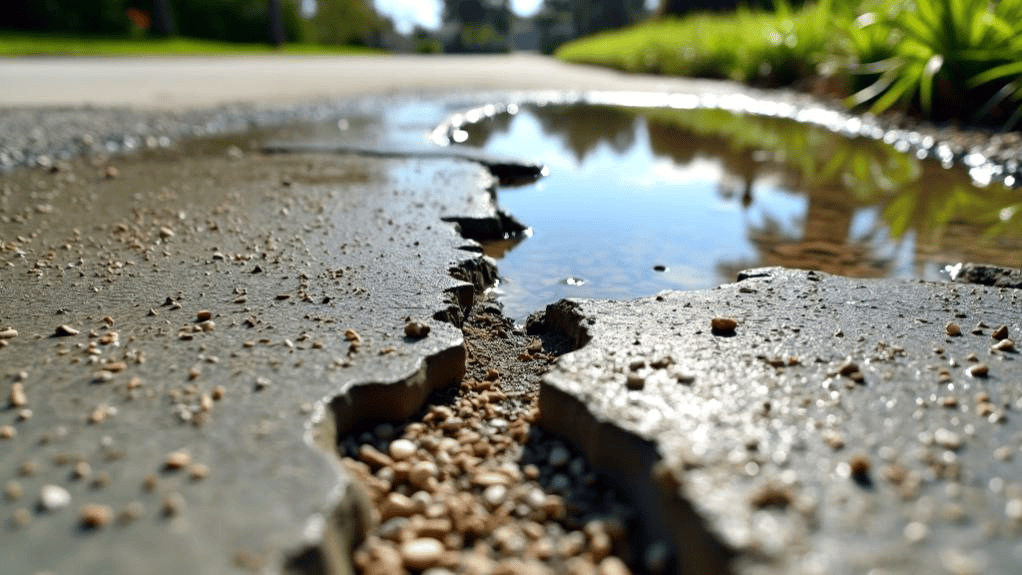
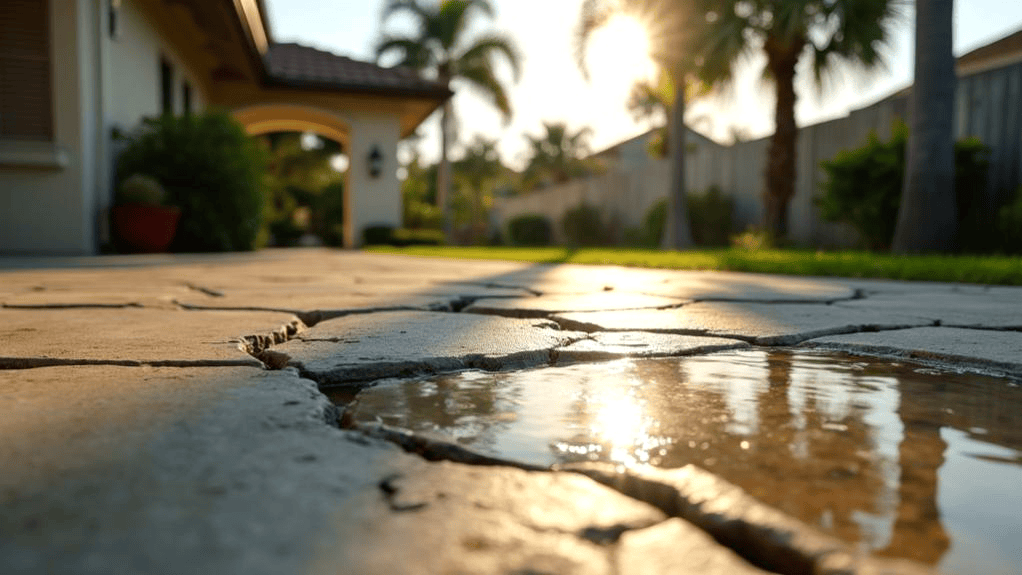
If you are dealing with cracked sidewalks, a spalling driveway, uneven slabs, or surface damage that keeps getting worse, you are not alone. These are among the most common issues we see in Lauderhill. What starts as a small crack or a slightly raised section of concrete can turn into a safety hazard or a much larger repair if it goes unaddressed. Concrete patching and crack sealing done early can save you from a full slab replacement down the road. Many homeowners also notice water pooling near their foundation or along patio edges, which is often a sign that the damage goes deeper than the surface.
Why Local Knowledge Matters for Concrete Repair in Lauderhill
Lauderhill sits on a limestone substrate with a high water table, and the combination of heavy seasonal rain, heat, and soil movement puts real stress on concrete over time. We have seen how these conditions affect driveways near Central Broward Regional Park, sidewalks around the Lauderhill Performing Arts Center, and patios throughout the Inverrary Country Club area. Waterproofing concrete and choosing materials that hold up to chloride intrusion and capillary moisture are not optional here. They are necessary. That local experience shapes how we approach every repair we take on, from slab lifting and concrete restoration to foundation repair and joint repair. We know what works in South Florida's climate, and we use that knowledge on every job.
Frequently Asked Questions About Concrete Repair in Lauderhill, FL
One of the most common questions we hear is what does concrete repair include, and the honest answer is that it depends on the damage. Repairs can range from simple surface repairs and concrete patching to more involved work like epoxy injection, polyurethane foam lifting, slab lifting, or full concrete resurfacing. Some jobs also require joint repair, concrete overlay applications, or waterproofing treatments to address the root cause of the damage. We assess each situation individually before recommending anything. If you are trying to understand what your specific problem might need, the next step is understanding what concrete repair actually means and how the process works.
What Is Concrete Repair
Definition and Purpose of Concrete Repair
Concrete repair is the process of restoring damaged or deteriorating concrete back to a safe, stable, and functional condition. Whether we are talking about crack sealing, concrete patching, slab lifting, or full concrete restoration, the goal is the same: fix what is broken before it gets worse. In Lauderhill, the combination of heat, heavy rain, high humidity, and soil movement puts a lot of stress on concrete over time. We have spent over 10 years working on concrete surfaces across this area, and we understand how local conditions drive the need for timely, well-matched repairs.
Repair Versus Full Replacement
A lot of property owners assume that visible damage means they need to tear everything out and start over. That is often not the case. Concrete resurfacing, surface repairs, epoxy injection, and polyurethane foam lifting can address many common problems without the cost or disruption of a full replacement. We follow guidelines rooted in standards like ACI 546R to help determine whether a repair or a replacement is the right call. In most situations, catching damage early and using the correct repair method will extend the life of your concrete significantly and save you money in the long run.
Types of Concrete Surfaces We Repair
We work on a wide range of concrete surfaces for both residential and commercial properties throughout Lauderhill and surrounding areas like Inverrary, Pine Island Ridge, and along corridors such as Sunrise Boulevard and State Road 7. That includes driveways, sidewalks, patios, pool decks, parking lots, foundations, and interior slabs. We handle everything from joint repair and waterproofing concrete to foundation repair and rising concrete correction. Whatever the surface or structure, our approach starts with understanding what caused the damage in the first place.
Knowing what concrete repair is and when it applies is an important first step. The next step is recognizing when your concrete is telling you it needs attention.
Signs Your Concrete Needs Repair
Concrete is tough, but it does not last forever without some attention. Here in Lauderhill, the heat, humidity, and heavy summer rains put a lot of stress on concrete surfaces over time. Whether you have a driveway near Sunrise Boulevard, a patio in Inverrary, or a sidewalk around a home in Pine Island Ridge, knowing what to look for can help you catch problems before they turn into bigger, more expensive issues. With over 20 years of combined experience in concrete work and more than 10 years serving Lauderhill specifically, we have seen firsthand how damage starts small and grows fast when it goes unaddressed.
Cracks and Fractures
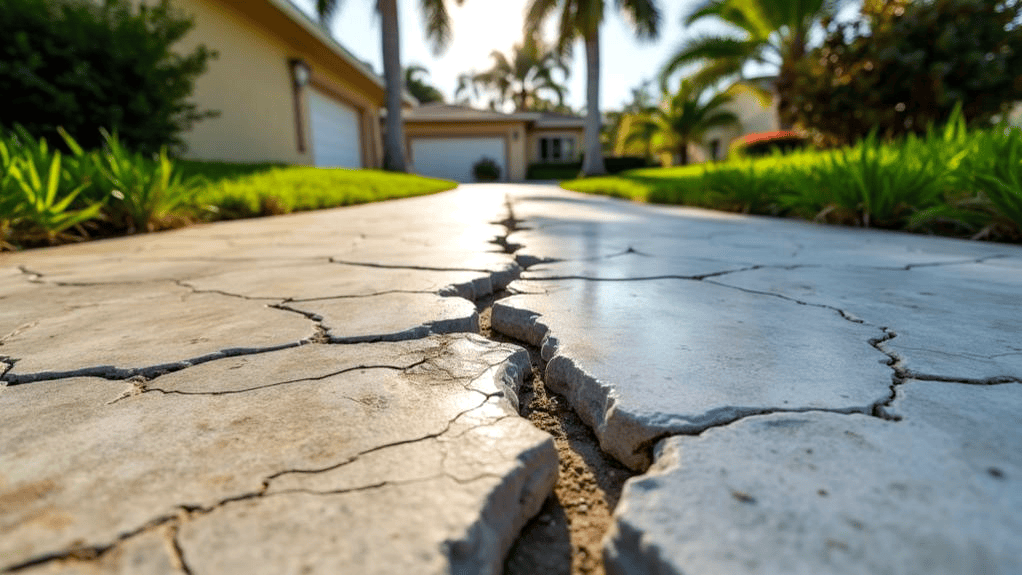
Small cracks are one of the first signs that your concrete needs attention. Some hairline cracks are cosmetic, but wider or longer fractures can allow water to get beneath the surface. In South Florida, that water intrusion accelerates deterioration quickly. When a crack reaches roughly a 1/4-inch in width or begins to grow in length, crack sealing or epoxy injection is usually the right next step. We use methods consistent with ASTM C881 standards to make sure the repair holds up over time.
Spalling and Surface Flaking
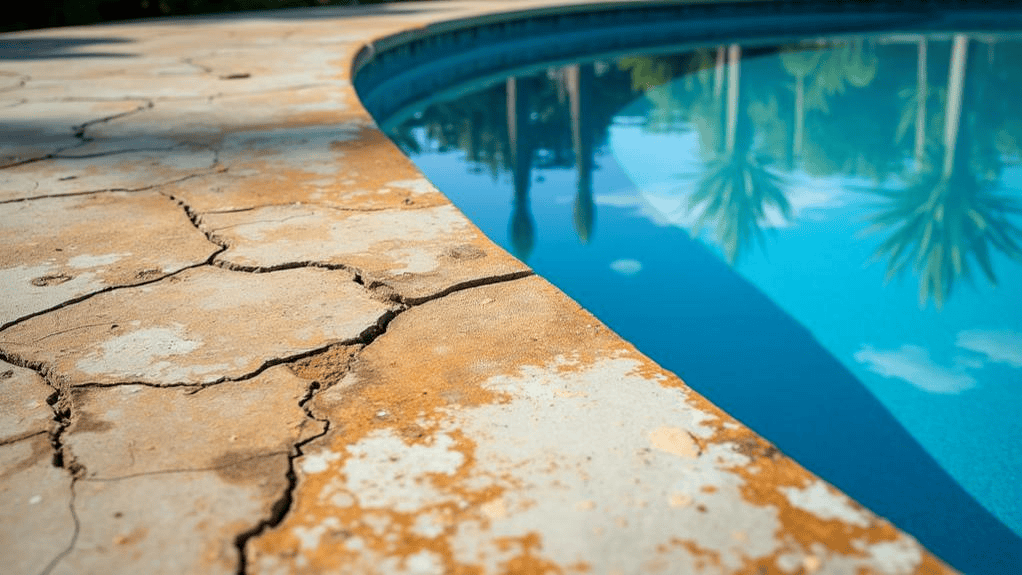
Spalling is when the surface of the concrete begins to peel, flake, or break away in chunks. You might notice this on a driveway, pool deck, or garage floor. In Lauderhill, chloride intrusion from moisture and exposure to the elements is a common contributor to this type of damage. Left alone, spalling spreads and weakens the surface layer. Depending on the depth of the damage, concrete resurfacing or a concrete overlay can restore both the look and function of the surface without a full replacement.
Uneven or Sunken Slabs
If you notice sections of your driveway, patio, or walkway sitting lower than they should, that is a sign the ground beneath has shifted or eroded. This is a common issue in Lauderhill given the area's high water table and soil conditions. Uneven slabs create real safety hazards, especially trip risks on walkways. Techniques like slab lifting using polyurethane foam can stabilize and raise sunken sections without tearing out and replacing the entire slab. We assess each case carefully to determine whether lifting is appropriate or if a deeper repair is needed.
Chips and Pitting
Chipping and pitting often develop from impact damage, freeze-thaw cycles in other climates, or in our area, from repeated exposure to moisture and surface wear. Concrete patching is a practical solution for localized damage like this. We follow repair depth standards, typically a minimum of one inch, and use bonding agents to make sure the patch material adheres properly and performs over the long term. Surface repairs done correctly the first time prevent the need for repeat work.
Water Pooling and Drainage Issues
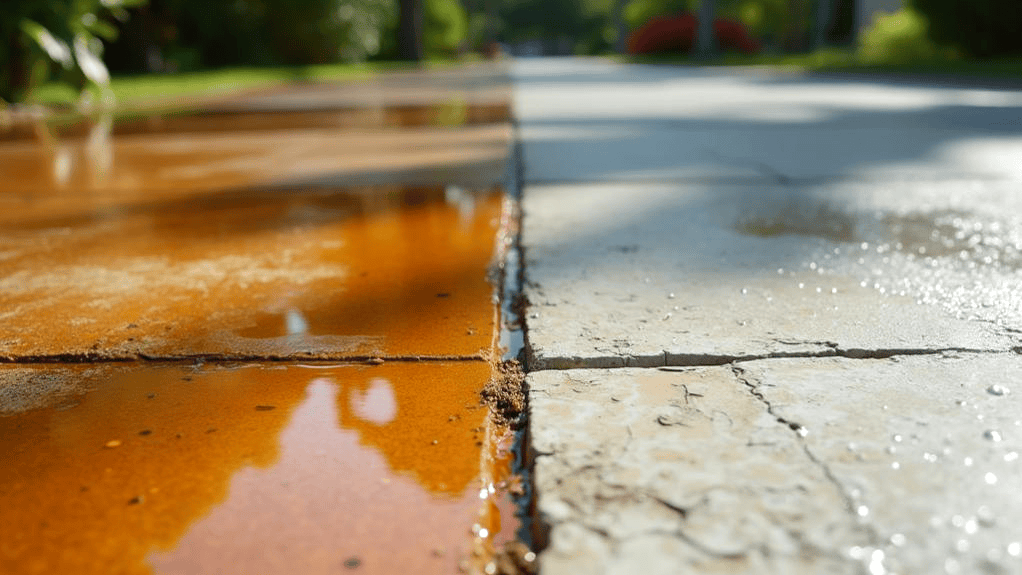
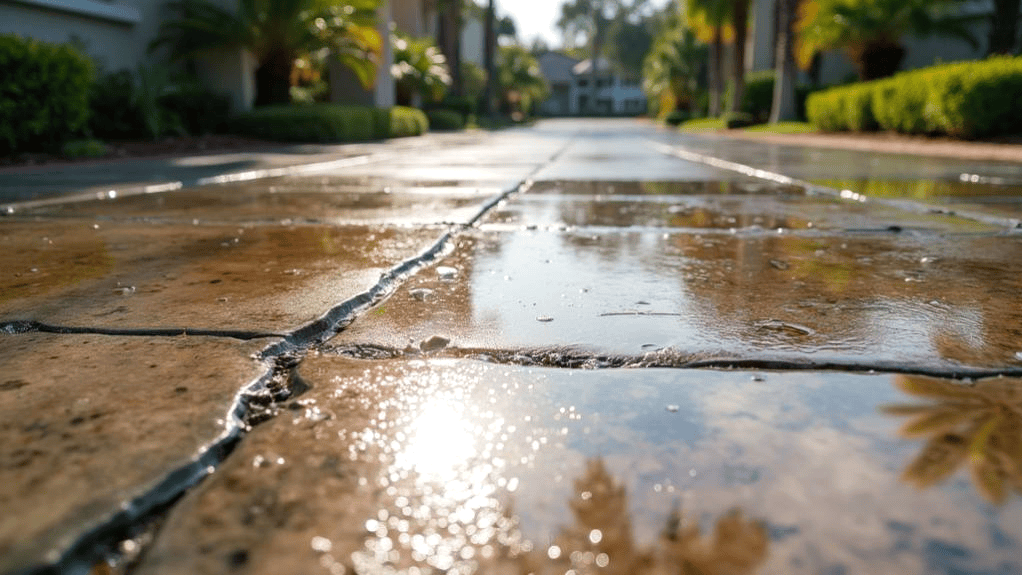
Standing water on a concrete surface after rain is a sign that something is off, whether it is a slope issue, a sunken area, or a surface that has worn unevenly over time. In a city like Lauderhill where heavy rainfall is routine throughout the summer months, poor drainage can speed up concrete maintenance needs significantly. Water that sits too long works its way into cracks and beneath the slab, where it causes further settlement and structural problems. Addressing drainage and considering waterproofing concrete solutions early can protect your investment for years to come.
Understanding what these warning signs look like is the first step. The next step is understanding why they happen in the first place, which brings us to the common causes of concrete damage specific to Lauderhill and the surrounding area.
A few years back, we got a call from a homeowner over on inverrary Boulevard here in Lauderhill. She had a concrete driveway that was cracking and sinking in several spots. Pretty common problem in South Florida, where the soil shifts a lot due to our heavy rain seasons. She needed it fixed before the cracks got worse and became a safety hazard.
When we showed up to take a look, we quickly realized this job was going to be more involved than a standard concrete repair. The ground beneath the slab had washed out in places, leaving hollow pockets under the concrete. That kind of situation means you cannot just patch the surface and call it done. If you do, the repaired areas will sink and crack again within a few months.
We had to carefully remove the damaged sections of the driveway without disturbing the surrounding areas. Once we got down to the base, we found that water had been pooling under the slab for a long time, slowly eroding the soil. We brought in fill material to stabilize the ground, compacted it properly, and then set up the forms for the new concrete pour.
The tricky part came when we were ready to pour. A strong afternoon storm rolled through, which is pretty typical for Lauderhill in the summer. We had to cover everything and wait it out. Pouring concrete in wet conditions can weaken the final product, so we did not rush it.
Once the weather cleared, we finished the pour and gave the concrete the proper time to cure. The homeowner ended up with a solid, level driveway that has held up well through multiple rain seasons since. With over 20 years of combined experience pouring concrete and more than 10 years working right here in Lauderhill, we have learned that taking the time to do the job correctly always pays off in the long run.
Common Causes of Concrete Damage in Lauderhill, FL
Before any concrete restoration work begins, it helps to understand why the damage happened in the first place. In Lauderhill, the local environment puts concrete under constant stress. We have seen this firsthand across neighborhoods like Inverrary, Pine Island Ridge, and Royal Palm, and we know that lasting repairs depend on treating the actual cause, not just what you can see on the surface.
South Florida Heat and UV Exposure
Lauderhill sits in one of the hottest and sunniest parts of Florida. Over time, repeated heating and cooling causes concrete to expand and contract. This cycle works small weaknesses into the surface, leading to cracks and spalling that call for surface repairs or concrete resurfacing. UV exposure also breaks down sealers and surface finishes faster here than in cooler climates.
Heavy Rainfall and Moisture Intrusion
Broward County receives heavy seasonal rain, and that water has to go somewhere. When concrete develops cracks or joint gaps, water gets in and starts working against the slab from below. In areas near the Broward Canal or along low-lying streets off Sunrise Boulevard, waterproofing concrete and crack sealing are not optional steps. They are part of keeping a repair from failing within a season or two.
Soil Movement and Shifting Ground
Lauderhill sits on a high water table with expansive and sometimes sulfate-affected soil underneath. When the ground shifts, slabs shift with it. This is one of the more common reasons we get called out for slab lifting and foundation repair in this area. Polyurethane foam injected beneath a settled slab can lift and stabilize it without tearing everything out, though the right approach depends on what we find during inspection.
Tree Roots and Vegetation
Mature trees throughout neighborhoods like Kimberly Woods and Inverrary Country Club push roots outward as they grow. Those roots work underneath driveways, sidewalks, and patios, creating rising concrete and uneven surfaces that become real trip hazards. Joint repair and targeted concrete patching can address the visible damage, but we also assess whether root activity is ongoing before recommending a fix.
Age and Normal Wear
Even well-poured concrete does not last forever without some attention. Driveways along NW 56th Avenue, patios near the Lauderhill Mall area, and walkways around older properties all show the effects of decades of use, traffic, and Florida weather. Routine concrete maintenance and timely repairs go a long way toward avoiding a full replacement. The key is catching problems early, which is exactly where our inspection process starts.
Once we understand what caused the damage at your property, we move into a structured repair process built around your specific conditions. Here is how we approach that work from start to finish.
Our Concrete Repair Process
When concrete starts showing cracks, chips, or uneven surfaces, the repair process matters just as much as the repair itself. We follow a clear, step-by-step approach on every job we take in Lauderhill, FL. With over 20 years of combined experience in concrete work and more than 10 years serving this area, we know what it takes to do the job right the first time.
Inspecting and Assessing the Damage
Before we touch anything, we take time to understand what is actually going on with your concrete. Surface damage is often just part of the picture. We look for signs of deeper issues like settlement, capillary moisture movement, or soil shifting beneath the slab. In Lauderhill, the high water table and local soil conditions can quietly work against concrete over time. We use tools like a moisture meter and rebar detector to get a complete read on the damage before recommending any course of action. This step is where good concrete repair really starts.
Cleaning and Preparing the Surface
Good preparation is what separates a repair that lasts from one that fails in a season. We remove all loose, contaminated, or deteriorated material using equipment like a scarifier or pneumatic chisel, depending on the situation. We also clean the surface thoroughly to remove dirt, oils, and anything else that would prevent a proper bond. South Florida's heat and humidity make surface prep especially important, since moisture and contaminants can keep repair materials from curing correctly.
Choosing the Right Repair Materials
Not every repair calls for the same product. For crack sealing, we may use epoxy injection resin or urethane caulk depending on crack width and movement. For larger surface repairs, we often work with trusted products from brands like Sika, Mapei, or Euclid Chemical. A bonding agent is typically applied before patching to help the new material grip the existing concrete. We select materials based on the specific damage, the location of the repair, and how the structure is used. We also keep strength requirements in mind, targeting appropriate compressive strength levels so the repair performs over time.
Applying the Repair and Finishing the Surface
Once the surface is prepped and materials are selected, we apply the repair carefully and work to blend it with the surrounding concrete as closely as possible. Whether we are filling a crack, patching a spalled area, or applying a concrete overlay to a worn surface, we follow repair depth and material guidelines to make sure the work holds up. Finishing is done to match the existing texture so the result looks clean and consistent.
Curing and Final Inspection
Curing is a step that is easy to rush but critical to get right, especially in Lauderhill's heat. We allow the repair material the time it needs to reach proper strength before the surface is put back into use. After curing, we do a final walkthrough to check the repair visually and structurally. If anything needs a closer look, we address it before we consider the job done.
Once we complete the repair process, the next step is matching the right solution to your specific situation. The types of concrete repair we offer cover a wide range of needs, from slab lifting and foundation repair to concrete resurfacing and waterproofing concrete.
Types of Concrete Repair We Offer
Concrete problems in Lauderhill tend to show up in a handful of predictable ways. The heat, humidity, heavy seasonal rain, and the area's high water table all put stress on concrete over time. Whether you are dealing with a cracked driveway near Inverrary or a damaged patio slab in Pine Island Ridge, the type of repair needed depends on the specific problem. Here is a breakdown of the repair services we provide.
Crack Filling and Sealing
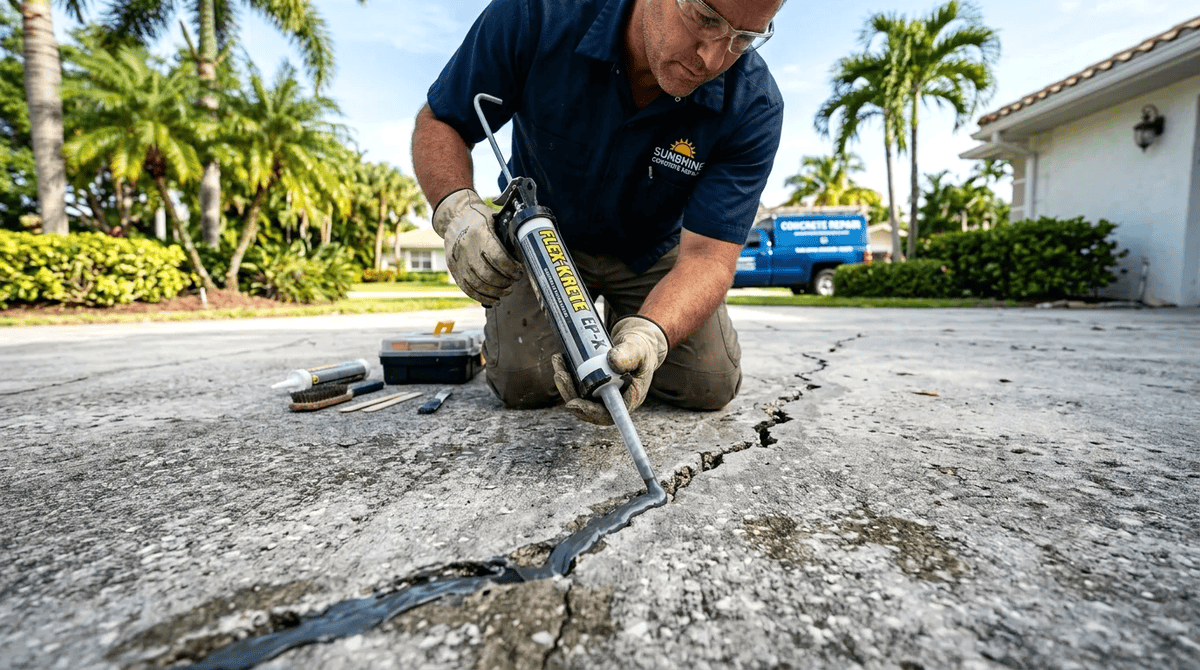
Cracks are one of the most common concrete issues we see across Lauderhill. Left alone, even a small crack can let water in, which leads to bigger problems over time. We assess the crack width, depth, and cause before choosing an approach. For structural cracks, we often use epoxy injection with an epoxy injection resin that bonds tightly to the surrounding concrete. For non-structural cracks, crack sealing with urethane caulk or a polyurea filler is usually the right call. Getting the diagnosis right matters more than just filling what you can see.
Slab Lifting and Leveling
Uneven slabs are a trip hazard and often a sign that the soil underneath has shifted or eroded. Slab lifting using polyurethane foam is a method we use to raise and stabilize sunken concrete without tearing it out. The foam is injected beneath the slab, expands, and lifts the concrete back toward its original position. This approach works well in areas like Lauderhill where soil movement and capillary moisture are ongoing concerns. It is faster, less disruptive, and more affordable than full slab replacement in many cases.
Resurfacing and Overlays
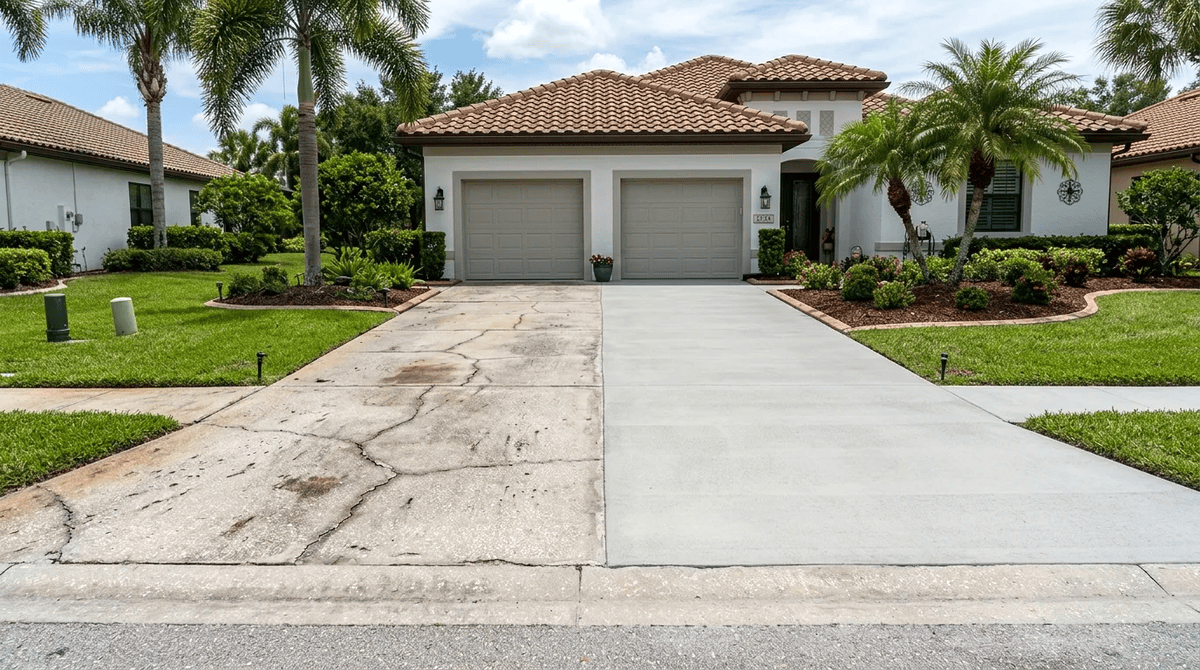
Concrete resurfacing is a good fit when the surface is worn, pitted, or showing early spalling but the underlying slab is still structurally sound. We apply a concrete overlay over the prepared surface using products from trusted brands like Ardex or Mapei. Proper surface prep is critical here. We use equipment like a scarifier or shot blaster to open the surface and improve bonding before the overlay goes down. Done right, resurfacing can add years of life to a slab and improve its appearance considerably.
Spall Repair
Spalling happens when the surface of the concrete flakes or breaks away, often caused by moisture getting in and expanding under the surface. In South Florida's climate, this is a common result of chloride intrusion or a carbonation front moving through older concrete. We remove the damaged material, prepare the area to meet standards like ICRI 310.2R and SSPC SP-13, and fill it using fiber-reinforced concrete or a Portland cement-based patching mortar. Concrete patching done with the right bonding agent and repair material holds up much better than a basic patch job.
Joint Repair and Expansion Joint Replacement
Joint repair is an area that often gets overlooked until the damage becomes visible. Expansion joints are designed to allow concrete to move with temperature changes and soil shifts. When they fail or fill with debris, cracking follows. We clean out damaged joints, remove old sealant, and replace it with urethane caulk or a flexible polyurea filler rated for the conditions here in Broward County. Keeping joints in good shape is one of the more cost-effective parts of long-term concrete maintenance.
Each of these repair types applies differently depending on where the concrete is located and what it is used for. A repair approach that works well for a driveway may not be the right fit for a pool deck or a sidewalk near a commercial property. That brings us to how we approach concrete repair based on the specific surface type.
Built on Experience, Focused on Quality
We are a concrete contractor based in Lauderhill, FL, and we have been working in this area for over 10 years. Our team brings more than 20 years of combined experience pouring and finishing concrete across a wide range of residential and commercial projects. From driveways and patios to foundations and retaining walls, we have handled jobs of all sizes throughout Lauderhill and the surrounding communities in Broward County.
Working in South Florida means understanding conditions that most other parts of the country do not have to deal with. The heat, humidity, heavy seasonal rain, and shifting soils here can all affect how concrete performs over time. We have spent years learning how these local conditions impact curing, drainage, and long-term durability. That knowledge guides every decision we make on a job, from how we prepare the site to how we select the right concrete mix for the conditions.
We work on projects in Lauderhill neighborhoods ranging from smaller residential properties near the Inverrary area to commercial sites along State Road 7 and Oakland Park Boulevard. Whether you need a new concrete slab, a resurfaced pool deck, or a repaired driveway, we approach each job the same way: with careful prep work, proper reinforcement, and a finish that holds up to the Florida climate.
Our goal on every project is straightforward. We want the concrete we pour for you to last for decades without becoming a recurring problem. That means doing the job right from the start, using the correct materials, and not cutting corners on steps that matter. When you reach out to us, you get a team that knows Lauderhill, knows concrete, and knows what it takes to make both work together.
Concrete Repair by Surface Type
Not all concrete surfaces wear the same way, and the right repair approach depends on where the damage is and what caused it. We have worked on concrete across Lauderhill for over 10 years, from properties near Inverrary to neighborhoods along Sunrise Boulevard, and we know how South Florida's heat, humidity, and soil conditions affect each surface differently.
Driveway Repair
Driveways take constant stress from vehicle weight, oil exposure, and Florida's intense sun. Cracks, surface pitting, and uneven sections are common. Depending on the damage, we may use concrete patching for localized areas, crack sealing with urethane caulk, or concrete resurfacing to restore the full surface. When sections have settled or lifted, slab lifting using polyurethane foam can bring them back into alignment without a full tear-out.
Sidewalk and Walkway Repair
Uneven sidewalks and walkways are a real safety concern, especially around older Lauderhill neighborhoods like Pine Island Ridge and Royal Palm Acres where tree roots and soil movement are common. We use joint repair, crack sealing, and surface repairs to address both the look and the safety of these areas. Where panels have shifted, slab lifting is often a faster and more affordable fix than replacement.
Patio and Pool Deck Repair
Patios and pool decks deal with standing water, chemical exposure, and constant moisture, all of which wear concrete down quickly in this climate. Concrete restoration for these surfaces often involves cleaning, patching spalled areas, applying a bonding agent, and finishing with a concrete overlay to restore a clean, consistent surface. Waterproofing concrete after repairs helps protect the work and slow future deterioration.
Foundation and Structural Repair
Foundation issues need careful attention. In Lauderhill, the high water table and expansive soil conditions can cause settlement and cracking that go deeper than the surface. We use epoxy injection and polyurethane foam to stabilize and seal cracks in load-bearing areas. For more serious structural concerns, we follow repair standards and work in accordance with Florida Building Code Chapter 19 to make sure the repair holds up long-term. This is one area where a proper diagnosis matters most, because surface-level fixes alone will not solve an underlying structural problem.
Garage Floor Repair
Garage floors often develop cracks, chips, and surface scaling from vehicle traffic, fluid spills, and moisture that works up through the slab. We typically handle these with concrete patching for damaged spots and concrete maintenance treatments such as penetrating sealers or epoxy-based coatings to protect what is left. Resurfacing is a good option when the damage is widespread but the slab itself is still structurally sound.
Each of these surface types can deteriorate further when repairs are put off. Addressing the damage sooner rather than later makes the repair simpler, more affordable, and more effective over time.
Benefits of Repairing Concrete Early
When concrete starts showing wear, it is easy to put off dealing with it. But in Lauderhill, where heat, humidity, and heavy rain put constant stress on outdoor surfaces, small problems tend to grow quickly. We have seen firsthand how a minor crack or chip can turn into a much larger issue within a single rainy season. Addressing damage early through concrete restoration or concrete patching is almost always the more practical choice.
Preventing Further Structural Damage
Concrete damage rarely stays contained. Water works its way into cracks, weakens the base material, and can corrode the rebar underneath. In areas near the Broward Canal or around neighborhoods like Inverrary and Pine Island Ridge, where the water table sits relatively high, moisture intrusion is a real concern. Crack sealing and waterproofing concrete early keeps that process from accelerating. We often use epoxy injection resin or polyurethane foam depending on the type and location of the crack, and the right choice matters for how long the repair holds up.
Improving Safety and Reducing Trip Hazards
Uneven slabs, surface cracks, and spalling create genuine hazards for anyone walking on them. This is especially true for driveways, sidewalks, and entryways that see regular foot traffic. Slab lifting and surface repairs can bring settled or raised sections back into alignment, reducing the risk of trips and falls. The Lauderhill Building Services Division has standards in place around accessible and safe walkways, and keeping your concrete in good shape helps you stay on the right side of those requirements.
Extending the Life of Your Concrete
Well-maintained concrete can last for decades. Neglected concrete often does not. Routine concrete maintenance and timely repairs, such as joint repair or concrete resurfacing, add years to the lifespan of a surface that would otherwise need full replacement. We follow guidelines aligned with ACI 546R when approaching repair work, which helps us match the right method to the specific type of damage rather than applying a one-size-fits-all fix.
Protecting Your Property Value
Cracked or deteriorating concrete affects how a property looks and how it is perceived by buyers, appraisers, and neighbors. In established areas like Royal Palm Acres or Lauderhill Estates, curb appeal plays a real role in marketability. A concrete overlay or resurfacing treatment can refresh the appearance of an aging surface without the expense of tearing it out and starting over. When we restore concrete properly, it looks cleaner and holds up better over time.
Avoiding the Cost of Full Replacement
This is often what motivates people to act. Full concrete replacement is significantly more expensive than targeted repairs, and in many cases it is completely avoidable if the damage is caught and addressed at the right time. Whether the issue involves rising concrete, foundation repair, or surface-level deterioration, early intervention with the right materials and methods keeps costs manageable.
Understanding what a repair project will actually cost is the next step for most property owners in Lauderhill. Pricing can vary based on the type of damage, the size of the area, and the repair method required.
How Much Does Concrete Repair Cost in Lauderhill, FL
Concrete repair costs in Lauderhill can vary quite a bit depending on what needs to be fixed and how serious the damage is. Most homeowners and property owners we work with want a general idea of what to expect before calling us out for a look. While we can not give you a firm number without seeing the concrete in person, we can walk you through what goes into the cost so you have a realistic picture going in.
Factors That Affect the Cost of Repair
Several things influence what you will pay for concrete repair in Lauderhill. The type of repair matters a great deal. Crack sealing on a driveway near Inverrary is a much smaller job than epoxy injection into a cracked foundation slab or slab lifting work on a sunken walkway. Surface repairs, joint repair, and concrete patching on a small area will typically cost less than full concrete resurfacing or foundation repair that requires specialized equipment and materials.
The size of the damaged area is another big factor. A few square feet of spalling on a patio costs less to fix than a long section of damaged concrete along a property on Sunrise Boulevard or Oakland Park Boulevard. Depth of damage also plays a role. Work that goes below the surface, such as repairs requiring a bonding agent, fiber-reinforced concrete, or structural grout, takes more time and materials than a basic surface patch.
Local conditions in Lauderhill also affect repair costs. The high water table, heavy rain, and South Florida heat all put stress on concrete over time. When we see damage tied to capillary moisture or soil movement beneath a slab, the repair often needs to go deeper to hold up long term. Jobs that involve waterproofing concrete or using polyurethane foam for slab lifting require specific products and methods that factor into the overall price.
Access to the area, the condition of the existing concrete, and whether any permits are needed through the Lauderhill Building Division can also affect the final cost. We handle the details on that side so you do not have to.
Cost of Repair Versus Cost of Replacement
One of the most common questions we hear is whether it makes more sense to repair or replace the concrete. In most cases, repair is the more cost-effective path, especially when the damage is caught early. Concrete restoration and concrete overlay work can bring a surface back to good condition at a fraction of what full removal and replacement would run.
That said, not all concrete is worth repairing. If a slab is heavily deteriorated, if rising concrete has been left untreated for years, or if the base underneath has shifted significantly, replacement may actually save you money over time. We give you our honest assessment when we come out to look at the job. Our goal is to help you make the right call for your property, not to push you toward the more expensive option.
Skipping repairs or choosing a low-cost shortcut often leads to bigger problems down the road. Water intrusion, further cracking, and structural damage tend to get worse over time in Lauderhill's climate, and what starts as a small repair can turn into a full replacement if it is ignored long enough.
Getting an Accurate Estimate
The only way to get a number you can actually rely on is to have someone look at the concrete in person. We use tools like a moisture meter and visual inspection to understand what is going on with the surface and what is underneath it. From there, we can tell you what type of repair makes sense, what materials will be used, and what the work will cost.
We have been working in Lauderhill for over 10 years and bring more than 20 years of combined concrete experience to every job. We know what concrete maintenance looks like in this area and what repairs tend to hold up here versus what tends to fail. When you reach out to us, you get a straightforward estimate based on what your concrete actually needs. That experience and local knowledge is a big part of what sets us apart, which we will get into next.
Why Choose Us for Concrete Repair in Lauderhill
Over 20 Years of Concrete Experience
We have been working with concrete for over two decades. That means we have seen just about every type of damage there is, from minor surface cracks to serious foundation issues that needed epoxy injection and structural grout. Over the years, we have worked with materials like fiber-reinforced concrete, bonding agents, and penetrating sealers, and we know how to choose the right approach for the problem in front of us. That depth of experience shows in the results we deliver.
More Than 10 Years Working in Lauderhill
Lauderhill has its own set of conditions that affect concrete. The high water table, heavy seasonal rain, and expansive soil across neighborhoods like Inverrary, Pine Island Ridge, and Royal Palm can cause slabs to shift, crack, and deteriorate faster than you might expect. We have been doing concrete restoration and slab lifting work here long enough to understand these patterns. Whether the job is near Sunrise Boulevard or off Inverrary Boulevard, we know what to expect and how to handle it properly.
Our Commitment to Quality and Lasting Results
We do not cut corners on surface prep, materials, or methods. Every repair we take on, whether it involves crack sealing, concrete patching, joint repair, or waterproofing concrete, is done with the goal of lasting results. We follow established standards and pull permits through the Lauderhill Building Division when the work requires it. Our approach to concrete maintenance is straightforward: fix the real cause of the damage, use quality materials, and stand behind the work we do. That is the standard we hold ourselves to on every job.
Ready to Get Your Concrete Fixed Right
When you have cracked, uneven, or deteriorating concrete, the right move is to address it before it turns into a bigger and more expensive problem. We have seen firsthand how small surface repairs, a little crack sealing, or timely concrete patching can save homeowners and business owners in Lauderhill thousands of dollars down the road. Ignoring damage to your driveway near Inverrary, your patio slab off Sunrise Boulevard, or your foundation in Pine Island Ridge only gives water, heat, and soil movement more time to do harm.
Key Takeaways About Concrete Repair
Before you move forward, here are the most important things to keep in mind:
- Concrete problems like cracks, spalling, and rising concrete rarely fix themselves and almost always get worse over time.
- Techniques like epoxy injection, polyurethane foam lifting, and concrete resurfacing are built to last when done correctly.
- South Florida's heat, humidity, heavy rain, and high water table make proper materials and surface prep especially important.
- Waterproofing concrete and sealing joints after repairs helps prevent water from getting in and causing new damage.
- Addressing damage early through concrete maintenance is almost always cheaper than waiting for a full slab or foundation replacement.
Do Not Wait on Concrete Damage
We work throughout Lauderhill and the surrounding areas, and we see the same story repeat itself. A small crack gets ignored, water gets underneath, the soil shifts, and what could have been a straightforward concrete restoration job becomes a major structural issue. Whether your concrete is near the Lauderhill Mall, along Oakland Park Boulevard, or in a quiet neighborhood like Royal Palm or Bermuda Gardens, the conditions here in Broward County are tough on concrete. The sooner you act, the more options you have and the less it typically costs.
Why Working With Us Makes Sense
We bring over 20 years of combined experience pouring and repairing concrete, and more than 10 of those years have been spent working right here in Lauderhill. When you hire us, here is what you get:
- An honest assessment of the damage and the real cause behind it
- Repairs that use the right materials and methods for South Florida's climate
- Work that meets Florida Building Code standards and Broward County requirements
- A team that understands local soil conditions, moisture levels, and weather patterns
- Improved safety by reducing trip hazards and unstable surfaces
- Better curb appeal and property value through quality workmanship
- Repairs designed to reduce your maintenance costs over time
- Workmanship you can feel confident in, backed by our experience and reputation in the community
Get in Touch With Us Today
If your concrete is cracked, sunken, chipping, or showing signs of wear, we are ready to take a look and give you a clear picture of what needs to be done. Getting started is simple. You can call us directly to speak with someone on our team, or you can fill out the contact form below to request your free quote. We serve homeowners and property owners throughout Lauderhill and the greater Broward County area, and we are here to help you find a repair solution that fits your situation and your budget.
Lauderhill FL Concrete
7200 West Commercial Blvd
Lauderhill, FL 33319
Business Hours
| Mon | 7:00 AM – 10:00 PM |
| Tue | 7:00 AM – 10:00 PM |
| Wed | 7:00 AM – 10:00 PM |
| Thu | 7:00 AM – 10:00 PM |
| Fri | 7:00 AM – 10:00 PM |
| Sat | 7:00 AM – 10:00 PM |
| Sun | 7:00 AM – 10:00 PM |