Concrete Resurfacing in Lauderhill
Affordable Concrete Resurfacing in Lauderhill, FL
We Serve Lauderhill, FL and Surrounding Areas
We provide concrete resurfacing services throughout Lauderhill, FL, including neighborhoods like Inverrary, Sunset Strip, Royal Crest, and the Oakland Park Boulevard Corridor. We cover surrounding communities as well, and we can typically schedule an on-site assessment within a few business days. Whether your property sits near Lauderhill Mall or along University Drive, we are familiar with the area and ready to help.
Common Concrete Surface Problems Homeowners Face
If your driveway, patio, pool deck, or garage floor is looking worn, cracked, or stained, you are not alone. Concrete surfaces in Lauderhill take a beating from daily use, sun exposure, and the kind of heavy rain that rolls through Broward County on a regular basis. Over time, that wear shows up as surface cracks, pitting, spalling, or discoloration that makes an otherwise solid slab look like it needs to be torn out entirely. In many cases, it does not. Concrete repair through resurfacing can address a wide range of surface damage without the cost and disruption of full replacement. A concrete overlay or cement resurfacing system can restore the look and function of your existing slab at a fraction of the replacement cost. If you are trying to figure out what to know about concrete resurfacing, the short answer is that it works best when the underlying slab is structurally sound and properly prepared before any new material goes down.
Local Knowledge: Lauderhill Weather, Soil, and Housing Context
We have been working in Lauderhill for over 10 years, and that local experience makes a real difference on every job. South Florida flatwoods soil and the high water table common throughout Broward County can put stress on concrete slabs over time, especially in older subdivisions like Lauderhill Lakes and Sunland Park. Capillary moisture rising through slabs is something we check for using an infrared moisture meter before any resurfacing begins, because applying a new surface over a wet slab leads to early failure. Lauderhill also sees high humidity for much of the year, which affects how resurfacing products cure. We know how to work within those conditions and choose materials that hold up to the local climate. Homes built in the 1970s and 1980s near Century Village and Inverrary Country Club are particularly common candidates for driveway resurfacing and patio restoration, since that original concrete is often still structurally sound but badly worn on the surface.
Frequently Asked Questions from Lauderhill Homeowners
Homeowners in Lauderhill tend to ask us similar questions before committing to a project. How much does concrete resurfacing cost compared to replacement? Can crack filling be done before resurfacing? What resurfacing techniques work best for a pool deck versus a driveway? Is stamped concrete or decorative concrete an option over an existing slab? What about epoxy coating for a garage floor, or floor leveling for an uneven surface before a floor resurfacing overlay goes down? Can you repair driveway sections without resurfacing the whole thing? These are all fair questions, and the answers depend on the condition of your existing concrete. Surface preparation and the degree of existing damage are the two biggest factors that shape what is possible and what it will cost. The next section on what concrete resurfacing is will walk you through exactly how the process works.
What Concrete Resurfacing Is
Basic Definition of Concrete Resurfacing
Concrete resurfacing is the process of applying a new layer of material over an existing concrete surface. Instead of tearing out the old slab, we bond a fresh layer directly to it. This new layer can be a polymer-modified overlay, a cementitious overlay, or an epoxy coating, depending on what your surface needs. The result is a clean, renewed surface that looks and performs much better than what was there before.
How Resurfacing Differs from Replacement
Replacing a concrete slab means breaking it apart, hauling it away, and pouring entirely new concrete. That process takes more time, costs significantly more, and disrupts your property for days. Concrete resurfacing works differently. We prepare the existing surface, handle any crack filling or concrete repair that is needed, and apply a new finish on top. As long as the slab underneath is structurally sound, resurfacing is a practical and affordable alternative. For many driveways, patios, and pool decks around areas like Inverrary and the Oakland Park Boulevard Corridor, the original slab is still in good shape below the surface damage.
What Types of Surfaces Can Be Resurfaced
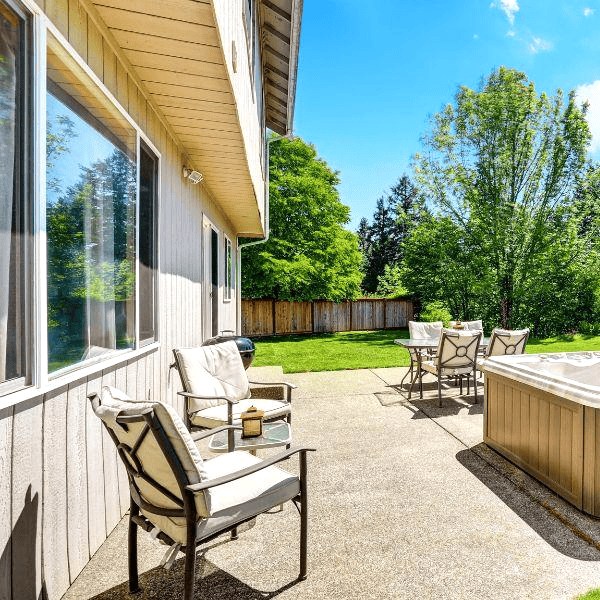
Most concrete surfaces around your home or business can be resurfaced. We regularly work on driveway resurfacing, patio floors, pool decks, walkways, and garage floors throughout Lauderhill. Decorative concrete options such as stamped concrete finishes and textured overlays can also be applied during the process, giving you an upgraded look without the cost of new construction. Whether you are near Century Village, Sunland Park, or along Sunrise Boulevard, the same surface preparation and concrete finishing standards apply to every job we take on. If you are unsure whether your surface qualifies, that is something we can assess before any work begins.
Knowing what resurfacing is and how it works makes it easier to spot when your own concrete may be a good candidate for it. There are a handful of clear signs that your surface is ready for attention.
Signs Your Concrete Needs Resurfacing
After more than 10 years working on concrete surfaces across Lauderhill, we have seen firsthand how the local climate breaks concrete down over time. The heat, humidity, and afternoon rain common along Oakland Park Boulevard and throughout neighborhoods like Inverrary and Royal Crest put real stress on concrete year after year. Knowing what to look for can help you decide whether concrete repair and resurfacing is the right move before the damage gets worse.
Surface Cracks and Hairline Fractures
Thin cracks running across your driveway or patio are one of the earliest signs that a surface needs attention. In Lauderhill, soil movement and moisture from the high water table can cause slabs to shift slightly over time, leaving hairline fractures behind. When cracks stay narrow, typically under the 1/16 inch crack width tolerance, crack filling combined with a concrete overlay is usually enough to restore the surface. Left alone, those cracks absorb water, expand in the heat, and grow into bigger structural problems.
Spalling, Pitting, and Flaking
Spalling happens when the top layer of concrete breaks away in chunks or flakes. Pitting leaves the surface rough and uneven. Both are common on older slabs and on concrete that was not properly sealed against Florida's moisture. We often see this on pool decks and garage floors throughout Century Village and Sunset Strip. A floor resurfacing approach using a polymer-modified overlay or fiber-reinforced topping mix can address this kind of damage without removing the slab entirely.
Staining and Discoloration
Oil, rust, algae, and hard water leave behind stains that basic cleaning cannot remove. Concrete that sits near Lauderhill's tree-lined streets or shaded patios is especially prone to mold and algae growth. Surface discoloration also develops naturally as concrete ages and weathers. Resurfacing covers these blemishes with a fresh layer and gives you the option to upgrade with decorative concrete finishes, including color and texture.
General Wear and Aged Appearance
Even concrete that is not cracked or spalling can look worn down. A faded, dull slab around your patio or along your walkway affects your property's overall appearance. Many homeowners in Sunland Park and Inverrary Country Club choose driveway resurfacing or stamped concrete finishes simply to update the look of a surface that still has solid structural integrity underneath. When the base is sound, resurfacing is a practical and budget-friendly way to get a clean result.
When Resurfacing Is Not an Option
Resurfacing works well when the existing slab is structurally stable. If a slab has deep structural cracking, significant settling, or has failed in large sections, a new pour may be the only reliable solution. We use an infrared moisture meter and inspect for issues like capillary moisture and substrate weakness before recommending any resurfacing work. Hiding serious damage under a new overlay would only delay a bigger repair, and that is not something we are willing to do. If the slab qualifies for resurfacing, the next step is understanding exactly how the process works.
A few years back, we took on a concrete resurfacing job at a large commercial property on University Drive here in Lauderhill. The parking lot had seen better days, and the owner wanted it looking fresh before a busy season. We thought we had a solid plan going in, but South Florida had other ideas.
We started the prep work early in the morning, grinding down the old surface and cleaning everything up. By midday, a typical Lauderhill summer storm rolled in out of nowhere. We are talking heavy rain for about two hours straight. That might not sound like a big deal, but when you are working with concrete resurfacer, moisture is your biggest enemy. The water had seeped into areas we had already prepped, which meant we had to go back and re-clean and re-profile parts of the surface before we could move forward.
On top of that, when we pulled up a section near the entrance, we found some deeper cracking that the property owner had not mentioned. The cracks had let water get underneath and weaken the base in spots. We had to stop, assess the damage, and bring in the right materials to stabilize those areas before we could even think about resurfacing them.
It added a full day to the project and required some honest conversations with the client about what we found. With over 20 years of combined concrete experience and more than 10 years working right here in Lauderhill, we knew better than to rush through it. We got it done right, and that parking lot has held up through many storm seasons since. When you hire us, you get that same level of care on your project.
The Concrete Resurfacing Process
Before we apply anything to your concrete, we walk through a clear step-by-step process. Every surface is different, and after more than 20 years pouring and finishing concrete across South Florida, we know that skipping any part of this process leads to problems down the road. Here is what you can expect when we work on your Lauderhill property.
Inspecting the Existing Concrete
We start by taking a close look at your slab. We check for cracks, spalling, soft spots, and any signs of moisture coming up from below. In Lauderhill, the high water table and proximity to the Biscayne Aquifer mean capillary moisture is a real concern that can cause a resurfacing layer to fail if it goes unaddressed. We use an infrared moisture meter to check moisture vapor emission levels and confirm the slab is a good candidate for resurfacing. This inspection also helps us determine the right overlay thickness and product, such as a polymer-modified overlay or a cementitious overlay, based on the condition of your concrete and how you use the space.
Cleaning and Preparing the Surface
Surface preparation is one of the most important parts of the job. A resurfacing layer can only bond properly to concrete that is clean and properly profiled. We use equipment like a diamond grinder, shot blaster, or walk-behind scarifier to open up the surface and reach the right profile, typically a CSP 3 to CSP 5 surface profile as outlined under ICRI CSP guidelines. We remove grease, oil, and old coatings using a degreaser solvent or muriatic acid wash where needed, followed by thorough rinsing. Proper surface preparation at this stage is what separates a long-lasting result from one that peels or bubbles within a year.
Repairing Cracks and Damaged Areas Before Resurfacing
Any cracks wider than 1/16 inch need to be addressed before we apply the overlay. We use crack filling methods appropriate to the type and movement of each crack. Stable cracks are typically filled with an epoxy mortar or a polyurethane resin. Areas with spalling or deeper damage may require a fiber-reinforced topping mix or an epoxy mortar buildup. We follow ACI 546R guidelines for concrete repair to make sure the repaired areas bond well with both the existing slab and the new surface layer. Skipping this step is one of the most common reasons resurfacing jobs fail early.
Applying the Resurfacing Overlay
Once the slab is clean, dry, and repaired, we apply the resurfacing material. Depending on your surface and goals, this could be a cementitious overlay, a concrete overlay, self-leveling underlayment for floor leveling work, or a decorative option like a microtopping or stamped finish. We typically work with materials from brands like Ardex, Mapei, Sika, and Surecrete, selecting the mix based on the specific demands of your project. For driveways and outdoor surfaces along areas like Oakland Park Boulevard or Inverrary Boulevard, we use a 4000 psi overlay mix applied at a minimum of 1/4 inch thickness. We use a squeegee gauge rake and steel trowel to ensure even coverage and consistent concrete finishing. Substrate temperature must stay between 50 degrees F and 90 degrees F during application, which we monitor carefully given Lauderhill's warm climate.
Curing Time and What to Expect After Application
After the overlay is applied, curing begins. Most overlays reach a walkable surface within 24 hours, but full strength develops over a longer period. For overlays requiring a full 28-day cure period before heavy vehicle traffic, we let you know in advance so you can plan accordingly. We apply a polyurethane sealant or penetrating silane sealer as a final protective coat, which helps your surface hold up against Florida's rain, humidity, and UV exposure. During the curing phase, you should keep the surface dry and free from foot traffic until we confirm it is ready. We will walk you through the timeline before we leave the job site.
Once the base resurfacing is complete and cured, many homeowners and property managers choose to go a step further with the appearance of their surface. From stamped concrete patterns to colored finishes and textured coatings, there are several decorative resurfacing options worth considering for your Lauderhill property.
Decorative Resurfacing Options
When your concrete surface needs work, you do not have to settle for a plain gray slab. Decorative concrete resurfacing gives you a way to improve both function and appearance at the same time. We have seen plenty of Lauderhill properties along Oakland Park Boulevard and throughout neighborhoods like Inverrary and Royal Crest where a worn driveway or faded patio got a completely fresh look without tearing anything out. The right finish depends on the condition of your existing slab, how the area is used, and what you want it to look like when the job is done.
Stamped Concrete Overlays
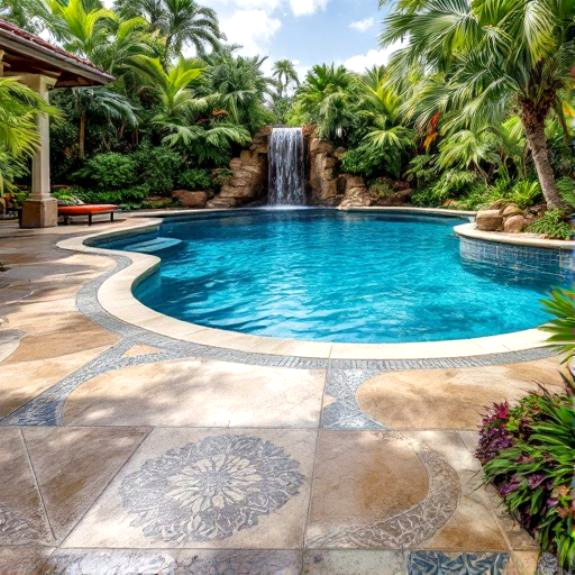
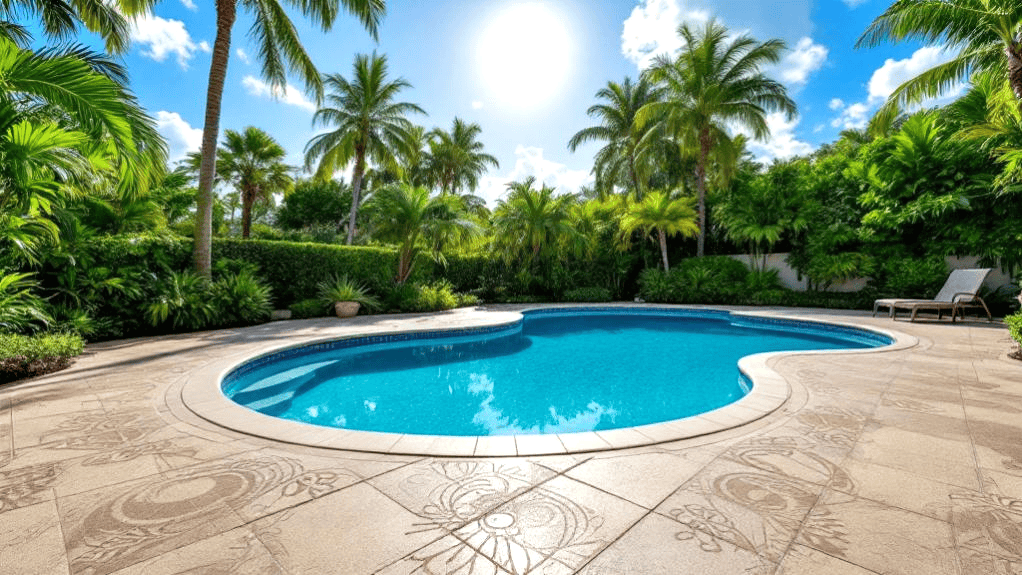
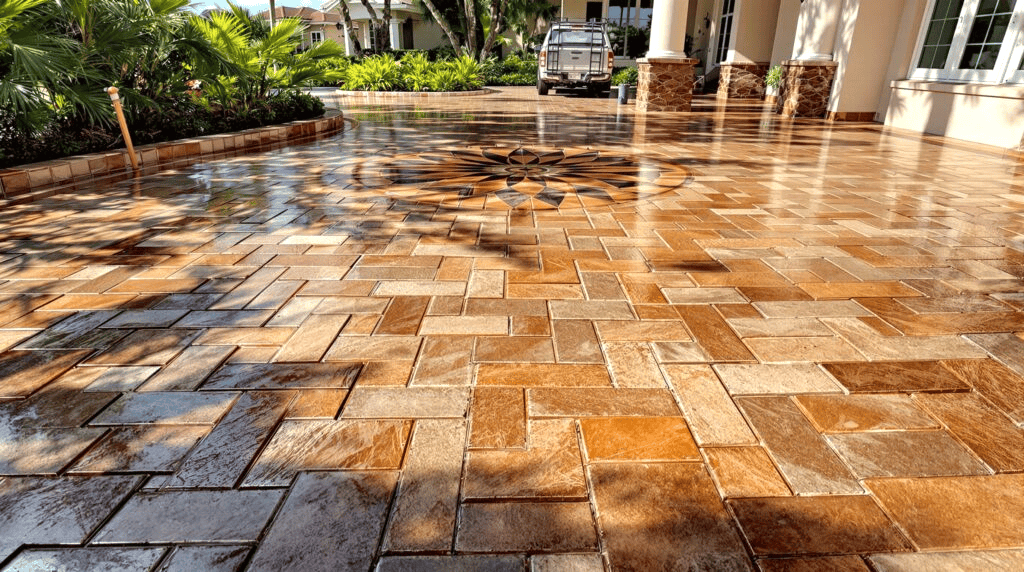
A stamped concrete overlay presses patterns into a freshly applied surface to mimic the look of stone, brick, slate, or tile. We apply a polymer-modified overlay or cementitious overlay at the right thickness, then stamp it while it is still workable. This approach works well on driveways, patios, and pool decks where you want a more finished appearance. The result is a surface that looks far more expensive than a basic pour.
Textured and Slip-Resistant Finishes
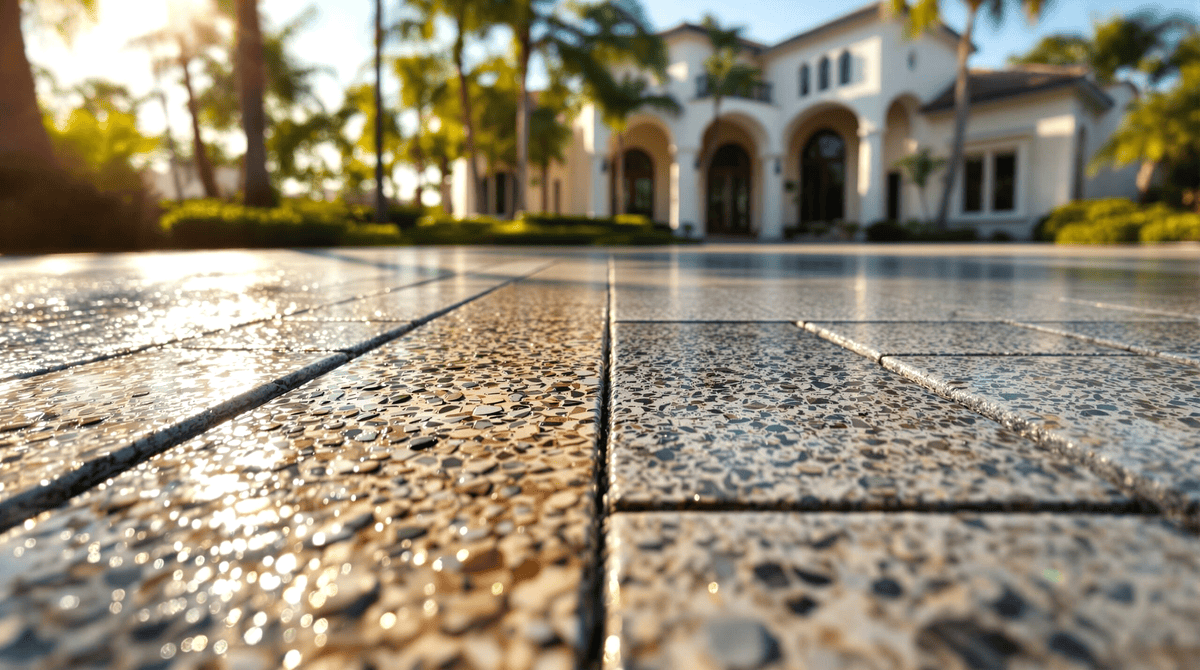
South Florida heat and afternoon rain make wet surfaces a real safety concern, especially around pool decks and walkways. As part of our concrete finishing process, we can broadcast silica aggregate into the overlay or use resurfacing techniques that create a textured profile. This gives the surface enough grip to reduce slip risk without making it rough or uncomfortable underfoot. It is one of the more practical upgrades we recommend for outdoor areas exposed to water.
Colored and Stained Overlays
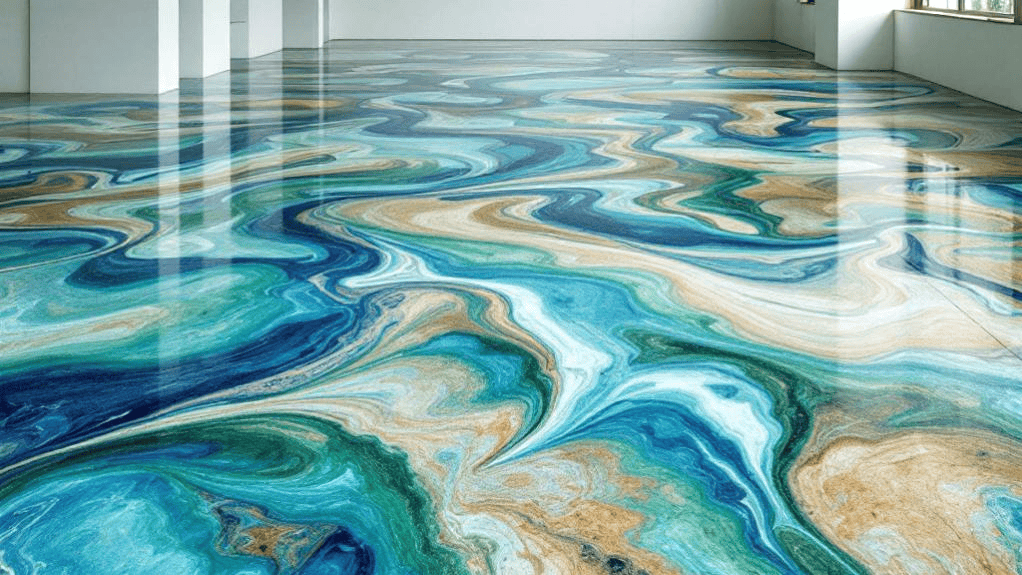
Color can be worked directly into a concrete overlay mix or applied as a stain after the surface cures. Both methods let you move away from plain gray. Integral color gives you a consistent tone throughout the overlay, while acid stains and water-based stains create more variation and depth. If your existing surface has visible patch marks or staining from years of use, a colored overlay is one of the cleaner ways to bring everything together with a uniform appearance.
Smooth and Broom Finishes
Not every project calls for pattern or color. A smooth steel-trowel finish or a standard broom finish is a practical choice for garage floors, utility areas, and walkways where a clean, low-maintenance surface is the priority. Floor resurfacing with a smooth finish also works well as a base layer before applying an epoxy coating, which adds durability and makes the surface easier to clean. We match the finish to how you actually use the space.
Each of these finishes can be applied across a wide range of concrete surfaces around your property, which leads to the question of where concrete resurfacing can actually be used.
Where Concrete Resurfacing Can Be Used
Concrete resurfacing works on more surfaces than most people realize. Whether your slab is cracked, stained, or just worn down from years of use, a concrete overlay or cement resurfacing system can bring it back without a full tear-out. We work across Lauderhill on residential and commercial properties, from neighborhoods like Inverrary and Royal Crest to areas along Oakland Park Boulevard and Sunrise Boulevard. Here is a look at where resurfacing makes sense.
Driveways
Driveway resurfacing is one of the most common jobs we handle. Heat, rain, and vehicle traffic take a real toll on concrete over time, and Lauderhill driveways are no exception. If your driveway has surface cracks, pitting, or fading, we can assess whether crack filling and a polymer-modified overlay will hold up well. In many cases, a resurfaced driveway looks cleaner and performs better than the original slab. We can also add texture or color to update the look while improving traction.
Patios
Patios see a lot of sun exposure, foot traffic, and moisture in South Florida. Spalling and surface staining are common complaints we hear from homeowners in areas like Pine Island Ridge and Sunland Park. Decorative concrete options such as stamped concrete patterns or colored overlays work well on patios, giving you an updated finish without replacing the slab underneath.
Pool Decks
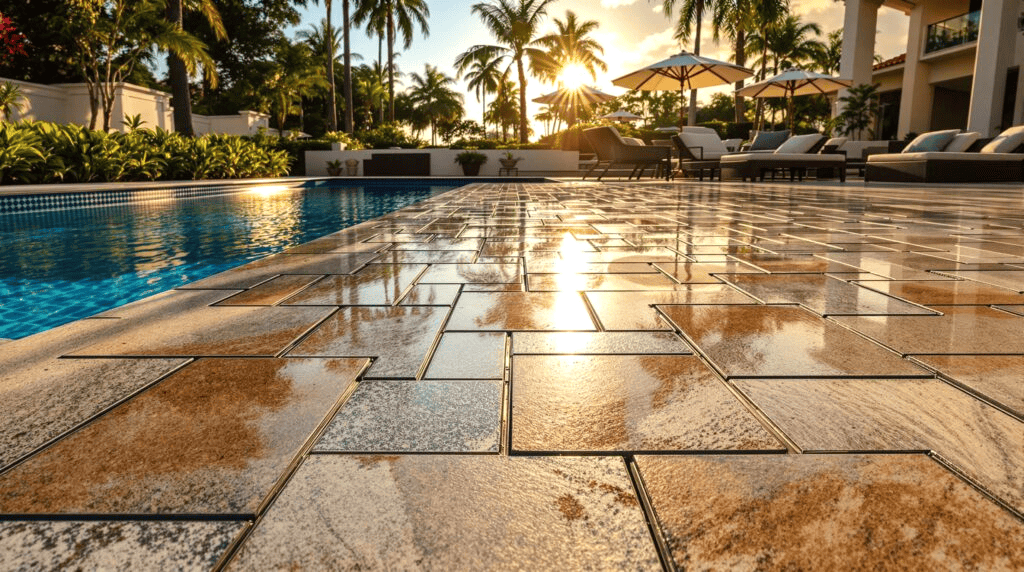
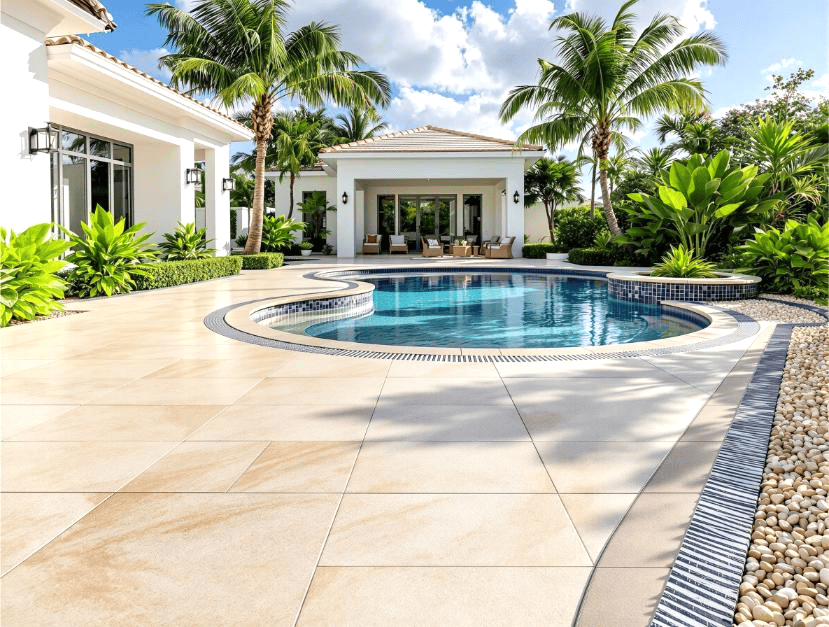
Pool decks need to handle constant water exposure, bare feet, and intense UV rays. A resurfaced pool deck can address worn or slippery surfaces using slip-resistant finishes and materials that hold up to moisture. Proper surface preparation, including profiling the existing concrete to achieve the right bond, is critical here. We follow resurfacing techniques that account for the high humidity and heat common to this part of Broward County.
Walkways and Sidewalks
Uneven or cracked walkways are not just an eyesore. They can also be a safety concern. Resurfacing walkways along your property can smooth out minor surface issues and provide a more consistent, slip-resistant finish. For areas near entrances or parking, a thin concrete overlay paired with a quality sealer helps protect the surface from everyday wear and weather.
Garage Floors
Garage floors take a beating from vehicle fluids, heavy loads, and temperature changes. Floor resurfacing options like epoxy coating or a fiber-reinforced topping mix can cover stains, seal the surface, and make the floor easier to clean. We also use floor leveling materials when needed to correct low spots before applying the finish coat. The result is a more durable, cleaner-looking surface that holds up over time.
Each of these surfaces has its own demands, and the right approach depends on the condition of your existing concrete and how the area is used. That leads to a bigger question worth looking at closely: what do you actually gain when you choose resurfacing over replacement?
Our Team, Our Work, Our Standards
We are a concrete contractor based in Lauderhill, FL, and we have been working in this area for over 10 years. Our team brings more than 20 years of combined experience pouring and finishing concrete across a wide range of residential and commercial projects. From driveways and patios to foundations and retaining walls, we have handled jobs of all sizes throughout Lauderhill and the surrounding communities in Broward County.
Working in South Florida means understanding conditions that most other parts of the country do not have to deal with. The heat, humidity, heavy seasonal rain, and shifting soils here can all affect how concrete performs over time. We have spent years learning how these local conditions impact curing, drainage, and long-term durability. That knowledge guides every decision we make on a job, from how we prepare the site to how we select the right concrete mix for the conditions.
We work on projects in Lauderhill neighborhoods ranging from smaller residential properties near the Inverrary area to commercial sites along State Road 7 and Oakland Park Boulevard. Whether you need a new concrete slab, a resurfaced pool deck, or a repaired driveway, we approach each job the same way: with careful prep work, proper reinforcement, and a finish that holds up to the Florida climate.
Our goal on every project is straightforward. We want the concrete we pour for you to last for decades without becoming a recurring problem. That means doing the job right from the start, using the correct materials, and not cutting corners on steps that matter. When you reach out to us, you get a team that knows Lauderhill, knows concrete, and knows what it takes to make both work together.
Benefits of Concrete Resurfacing
If your driveway, patio, pool deck, or garage floor is looking worn but the slab itself is still structurally sound, concrete resurfacing is worth a serious look. We have worked on concrete surfaces all across Lauderhill for over 10 years, and in that time we have seen how much life a good resurfacing job can add to concrete that homeowners were ready to give up on.
Cost Savings Compared to Full Replacement
Tearing out an existing slab and pouring new concrete is one of the more expensive projects you can take on. Concrete resurfacing cost is a fraction of that. Instead of paying for demolition, haul-away, and new material, you are working with what is already there. A properly applied polymer-modified overlay or cementitious overlay bonds to your existing slab and gives you a fresh surface without the full replacement price tag.
Faster Project Completion with Less Disruption
Full concrete replacement can take days and leave your property inaccessible for longer than most people expect. Resurfacing is a much shorter process. Depending on the size of the area and the condition of the slab, we can often complete surface preparation, crack filling, and the overlay application in a day or two. For homeowners near busy areas like Oakland Park Boulevard or Sunrise Boulevard, that kind of turnaround matters.
Improved Appearance and Curb Appeal
One of the biggest reasons people call us is appearance. Stained, pitted, or faded concrete can bring down the look of an otherwise well-kept property. With options like stamped concrete, decorative concrete patterns, and color finishes, resurfacing can completely change how a surface looks. We can match or improve the existing style of your home, whether you are in Inverrary, Royal Crest, or anywhere else in Lauderhill.
Extended Lifespan of Existing Concrete
Good concrete finishing and a quality concrete overlay do more than improve looks. They add years to the life of your slab. When we apply a fiber-reinforced topping mix at the right thickness, typically at least a quarter inch, it gives the existing concrete a protective layer that takes on everyday wear so the slab underneath does not have to. Proper surface preparation is what makes that bond hold, and we follow ICRI CSP profiles to make sure the overlay sticks the way it should.
Better Protection Against Moisture and Weather
South Florida weather is hard on concrete. The heat, humidity, and heavy rain around Lauderhill all work against an unprotected surface over time. Capillary moisture rising through a slab with high water table exposure is a real concern in this area. A sealed and properly resurfaced slab, finished with a polyurethane sealant or penetrating silane sealer, helps keep moisture from working its way in and causing damage from the inside out. The right resurfacing techniques, applied under the right conditions, give your concrete a much better chance of holding up through years of Florida weather.
Understanding what resurfacing can do for your concrete is a good first step. The next natural question most people have is how long that resurfaced surface will actually hold up before it needs attention again.
How Long Resurfaced Concrete Lasts
Average Lifespan of a Resurfaced Concrete Surface
When done correctly, a resurfaced concrete surface can last anywhere from 8 to 15 years or more. The actual lifespan depends on the quality of the work, the materials used, and how well the surface is maintained. A polymer-modified overlay or cementitious overlay applied at a minimum thickness of 1/4 inch gives the surface the strength it needs to hold up over time. We have seen well-prepared, properly cured surfaces in areas like Inverrary and Century Village still performing well a decade after the job was completed.
Factors That Affect Durability in Lauderhill's Climate
Lauderhill sits in one of the most demanding climates for concrete work in the country. High humidity, heavy rain, intense heat, and occasional flooding put real stress on resurfaced surfaces. Capillary moisture rising through the slab is a common issue here, and it can cause peeling or delamination if the surface was not properly tested and prepared before work began. We use an infrared moisture meter to check moisture vapor emission rates before applying any overlay. If the rate is above 3 lbs per 1000 sq ft per 24 hours, we address it before moving forward. South Florida's proximity to the Biscayne Aquifer and the area's high water table make this step especially important. Along busy corridors like Oakland Park Boulevard or Sunrise Boulevard, driveways and walkways also take on more foot and vehicle traffic, which adds to the wear over time.
Maintenance Tips to Extend the Life of Your Resurfaced Concrete
Keeping your resurfaced concrete in good shape does not require a lot of effort, but a few simple habits go a long way. Sealing the surface every two to three years with a polyurethane sealant or penetrating silane sealer helps block moisture and protects against staining. Clean the surface regularly to remove dirt, mildew, and debris, which are common in South Florida's warm, wet conditions. Avoid using harsh chemicals that can break down the overlay. If you notice small cracks forming, getting them looked at early prevents bigger problems down the road. Taking care of the surface now is one of the most straightforward ways to protect what you have already invested in the work.
Understanding how long a resurfaced surface lasts naturally leads to the next question most property owners have, which is what the work will actually cost.
What Concrete Resurfacing Costs in Lauderhill, FL
If you are trying to figure out whether concrete resurfacing fits your budget, you are not alone. Concrete resurfacing cost is one of the first questions we hear from homeowners across Lauderhill, from Inverrary to the Oakland Park Boulevard Corridor. The short answer is that it costs significantly less than tearing out and replacing your slab, and for most surfaces in decent structural condition, it is the smarter financial choice.
General Cost Range for Resurfacing Projects
In Lauderhill, most residential resurfacing projects run between $3 and $10 per square foot, depending on the surface and the finish you choose. A basic cement resurfacing or cementitious overlay on a driveway or patio sits on the lower end. Decorative options like stamped concrete or a detailed concrete overlay with color and texture will push costs higher. Epoxy coating for a garage floor typically falls in the middle of that range. We can give you a clearer number once we look at the condition of your surface and what you want the finished product to look like.
Factors That Affect Pricing
Several things influence what you will pay. Surface preparation is one of the biggest. If your concrete has significant cracking, spalling, or moisture issues, we need to address those before applying anything new. Proper crack filling and profiling the surface to a CSP 3 to CSP 5 surface profile takes time and the right equipment. The size of the area, the type of overlay or finish selected, and the current condition of your slab all play a role. Floor leveling or repairs needed before resurfacing can add to the total. In South Florida, the high water table and capillary moisture common in areas like Pine Island Ridge or Lauderhill Lakes can also affect how much prep work is involved.
How Resurfacing Compares in Cost to Replacement
Full concrete replacement in Lauderhill typically runs $6 to $15 per square foot or more, once you factor in demolition, haul-away, new pour, and finishing. Driveway resurfacing or floor resurfacing with a polymer-modified overlay or similar system can refresh that same surface for a fraction of that cost. You also avoid the disruption of a full tear-out, which matters when you are dealing with a driveway on a busy street like State Road 7 or a pool deck behind your home. With over 20 years of combined experience pouring and finishing concrete, and more than 10 years working specifically in Lauderhill, we know how to assess whether your slab qualifies for resurfacing or genuinely needs replacement. We will give you an honest answer either way.
Understanding what resurfacing costs and what drives those costs puts you in a better position to make the right call for your property. In the next section, we will bring everything together so you can move forward with confidence.
Why Professional Concrete Resurfacing in Lauderhill, FL Is Worth It
Now that you have a clearer picture of what concrete resurfacing costs in Lauderhill, the next step is making sure the money you spend goes toward work that actually lasts. Choosing the right contractor makes all the difference between a surface that holds up for years and one that starts peeling or cracking within a season.
What You Get When You Hire a Professional
Whether you need driveway resurfacing, a fresh concrete overlay on your patio, or crack filling on a worn garage floor, here is what a professional brings to the job that a DIY kit or low-cost provider simply cannot match:
- Proper surface preparation using equipment like a diamond grinder or shot blaster to create the right profile for bonding
- Accurate moisture testing with an infrared moisture meter, which matters a great deal given Lauderhill's high water table and humidity
- Correct product selection, whether that means a polymer-modified overlay, cementitious overlay, or epoxy coating based on your slab's condition
- Application techniques that follow standards like ACI 546R and ICRI Technical Guideline No. 310.2R for reliable, long-lasting results
- Experience with decorative concrete options including stamped concrete, textured finishes, and color treatments
- Knowledge of local soil conditions, including expansive soil and capillary moisture issues common in Broward County
- Work backed by a Broward County contractor license and over 20 years of combined concrete experience, including more than 10 years serving Lauderhill
- A finished surface that improves curb appeal, adds slip resistance, and protects your concrete from Florida weather year after year
Your Next Step as a Lauderhill Homeowner
If your driveway, patio, pool deck, or walkway is showing wear, getting a professional assessment costs you nothing and tells you exactly where you stand. We work throughout Lauderhill, including areas like Inverrary, Century Village, Sunset Strip, and neighborhoods along Oakland Park Boulevard and State Road 7. We can assess whether concrete repair and resurfacing is the right path or whether something else makes more sense for your specific surface.
Get your free quote today by calling us directly or completing the form below. We will review your surface, walk you through your options, and give you a straightforward estimate with no pressure and no guesswork.
Lauderhill FL Concrete
7200 West Commercial Blvd
Lauderhill, FL 33319
Business Hours
| Mon | 7:00 AM – 10:00 PM |
| Tue | 7:00 AM – 10:00 PM |
| Wed | 7:00 AM – 10:00 PM |
| Thu | 7:00 AM – 10:00 PM |
| Fri | 7:00 AM – 10:00 PM |
| Sat | 7:00 AM – 10:00 PM |
| Sun | 7:00 AM – 10:00 PM |